fish · surface / midwater
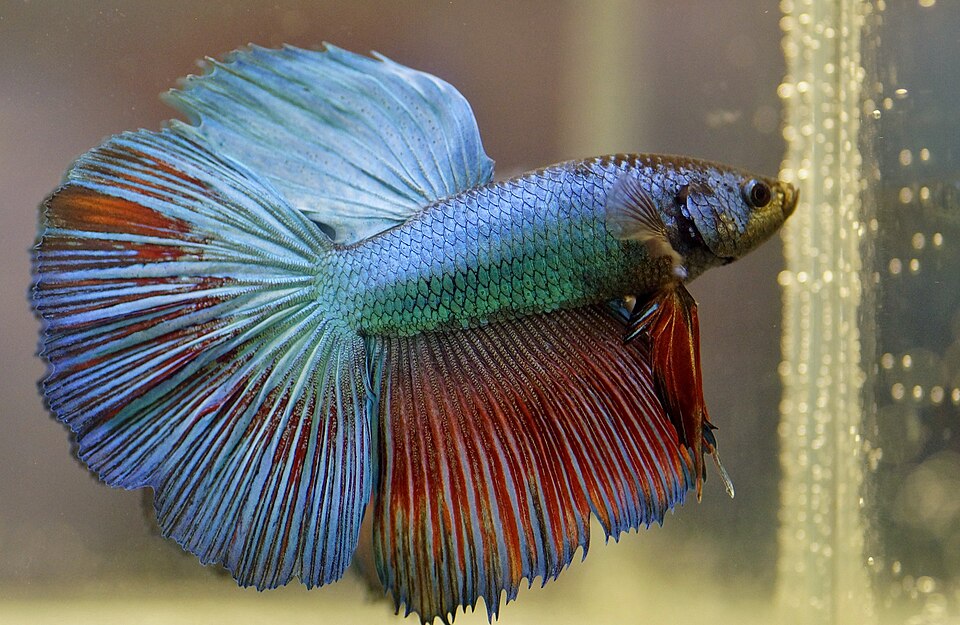
Betta fish
Betta splendens
- From
- 20 L
- Group
- 1+
- Care
- beginner
Long fins need gentle flow and tank mates that neither nip nor resemble a rival betta.
Open care profileInhabitant database · 75 profiles
Filter adult requirements, then open the full profile before making a stocking decision. Minimums are conservative starting points, not purchase guarantees.
75 inhabitants match
fish · surface / midwater
Betta splendens
Long fins need gentle flow and tank mates that neither nip nor resemble a rival betta.
Open care profilefish · midwater
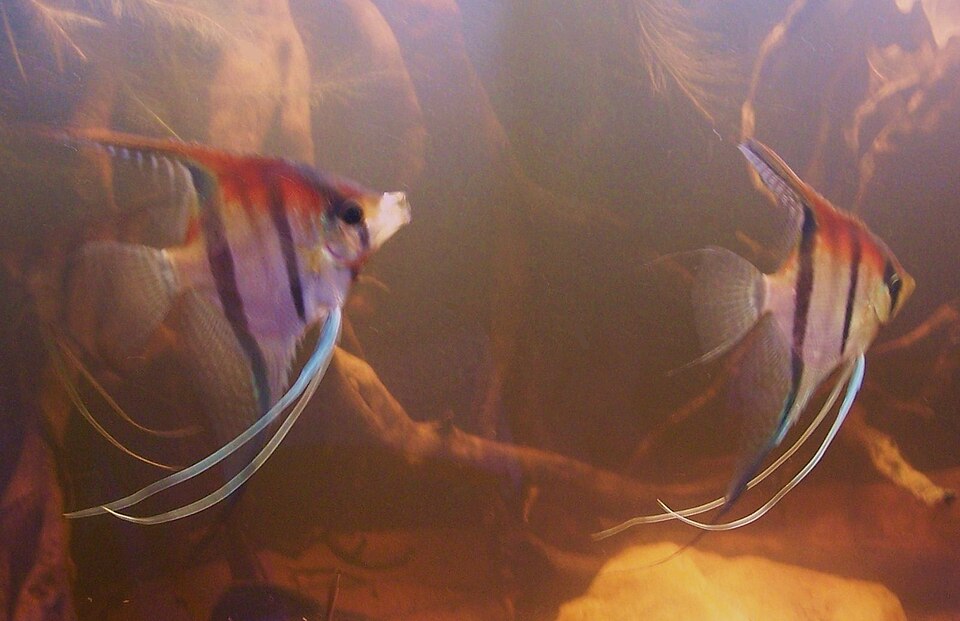
Pterophyllum scalare
Tall adults establish territories and may regard very small tetras or fry as prey.
Open care profile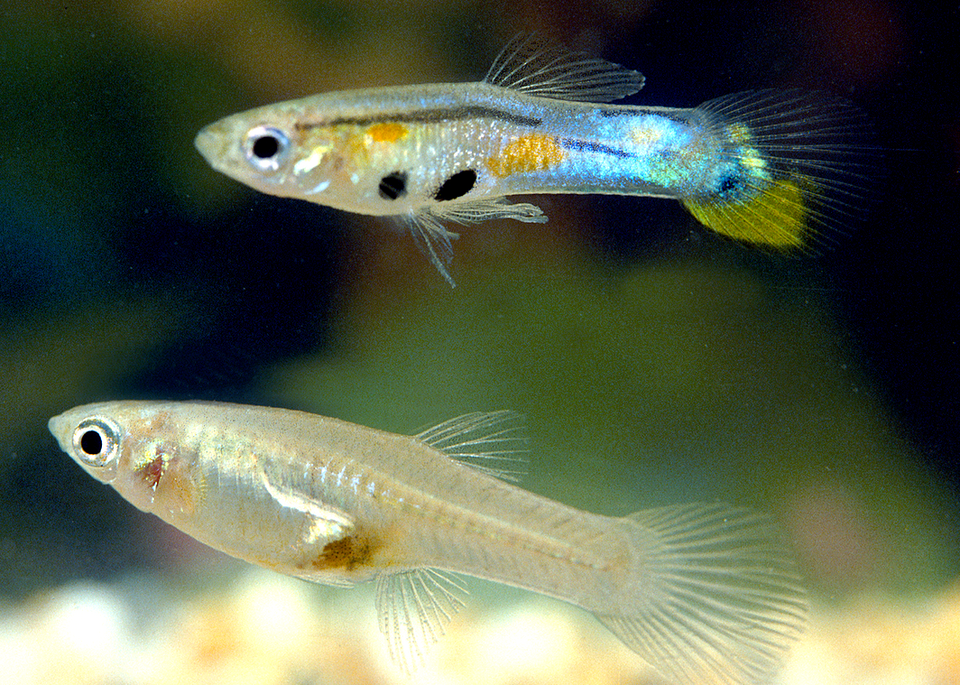
fish · surface / midwater
Poecilia reticulata
Hard-water livebearers breed readily; plan for fry or keep a single-sex group.
Open care profilefish · surface / midwater
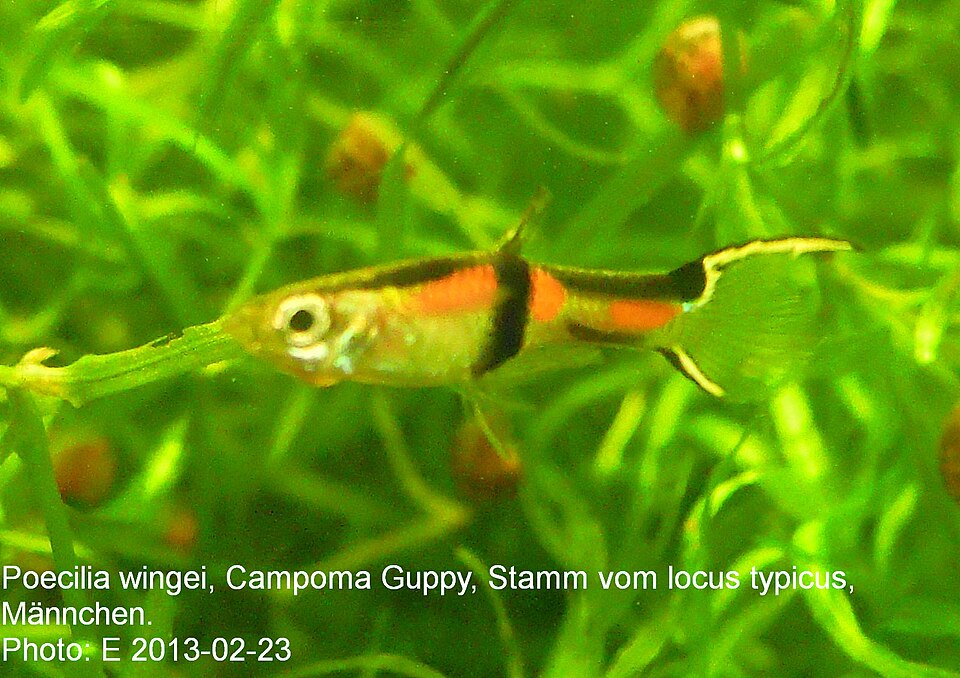
Poecilia wingei
Small but constantly active; males show best colour in a planted hard-water aquarium.
Open care profilefish · midwater
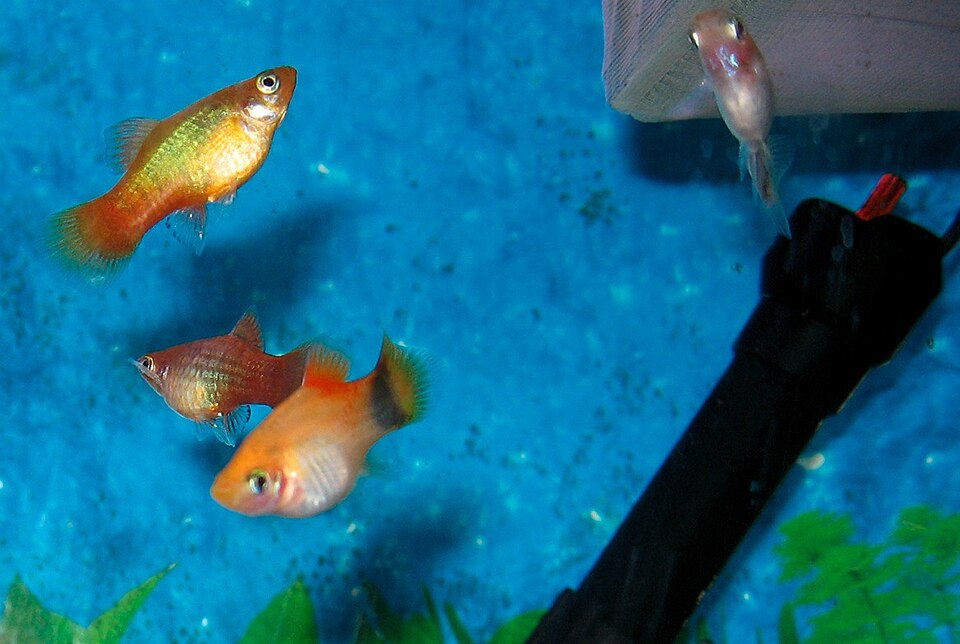
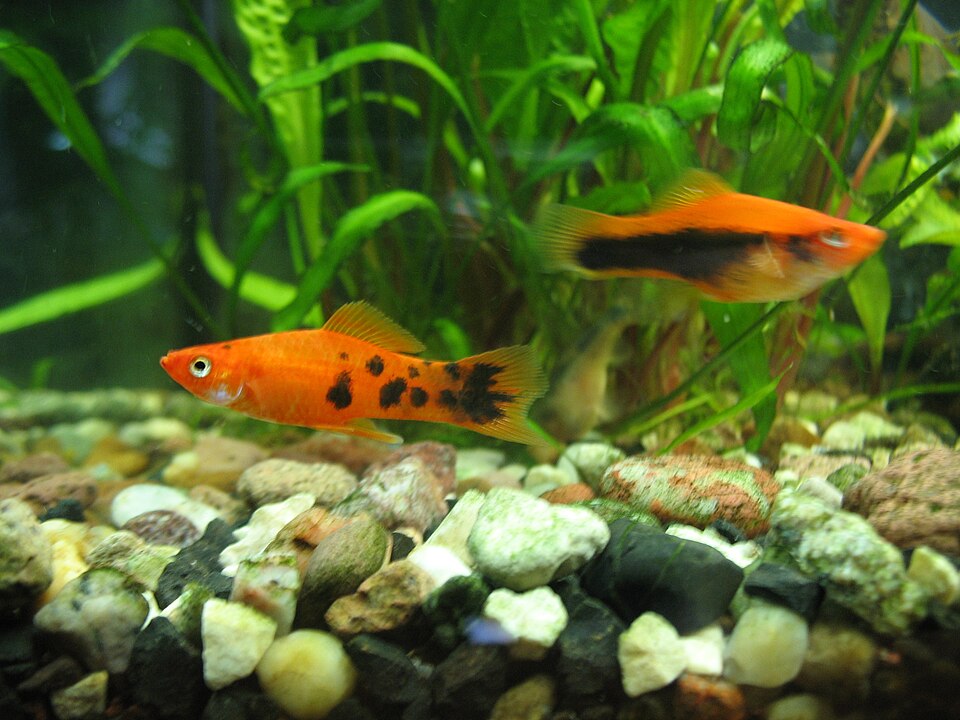
Xiphophorus maculatus
A social livebearer that prefers mineral-rich water and produces frequent broods.
Open care profilefish · midwater
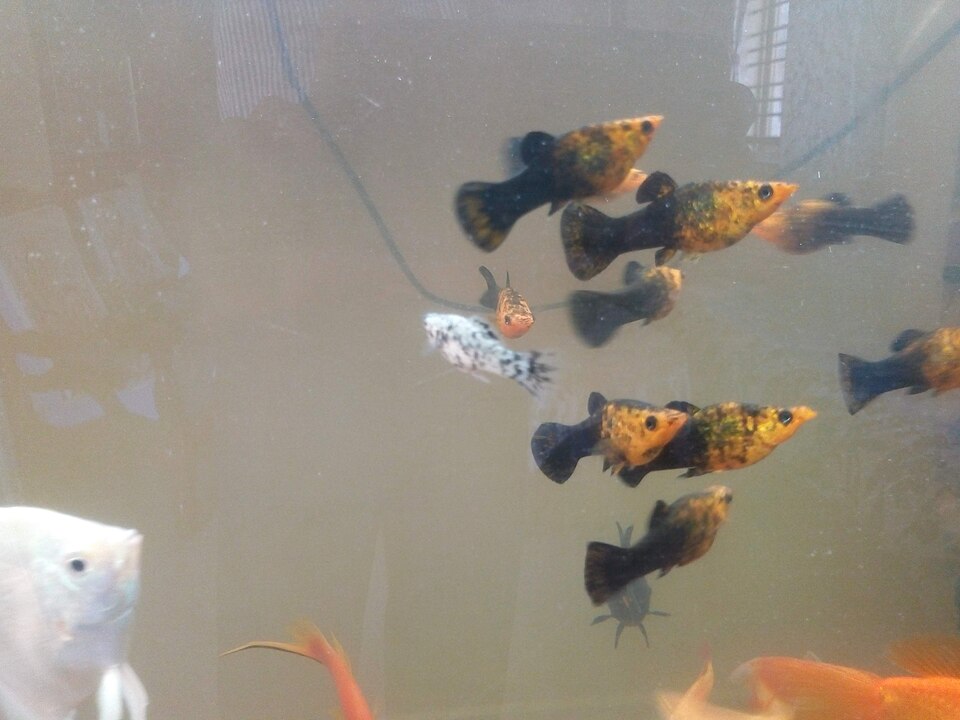
Poecilia sphenops
Mollies need stable, mineral-rich water and more swimming room than their shop size suggests.
Open care profilefish · midwater
Xiphophorus hellerii
Powerful swimmers and persistent males make tank length and a female-biased group important.
Open care profilefish · midwater
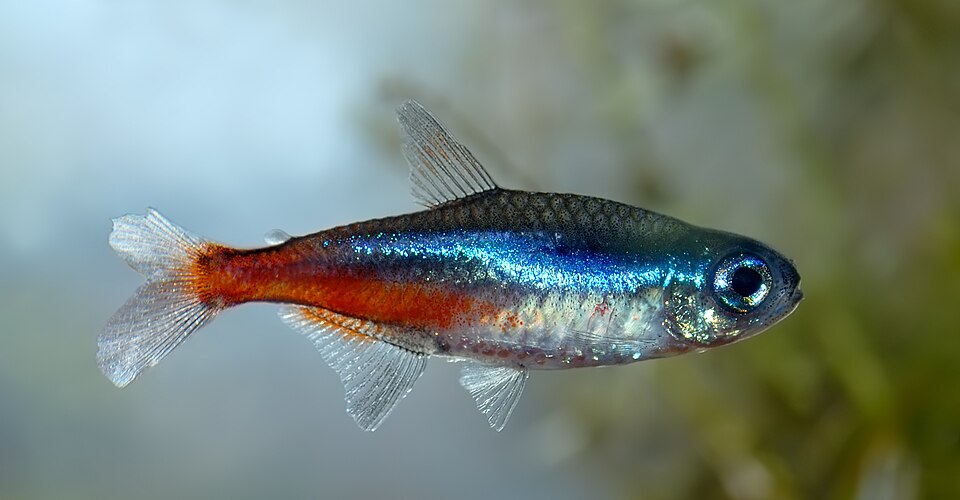
Paracheirodon innesi
A proper shoal and subdued planting reduce stress; avoid large predatory centrepiece fish.
Open care profilefish · midwater
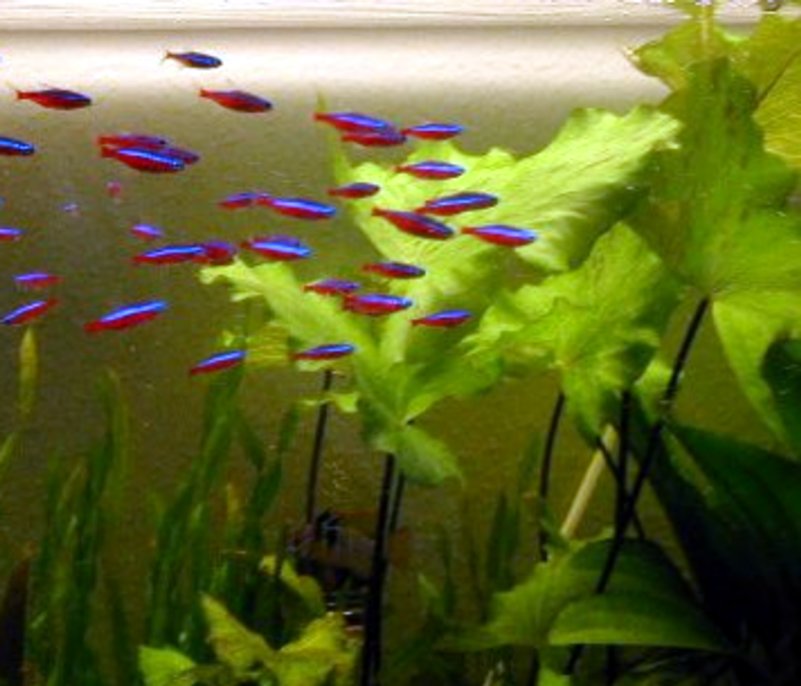
Paracheirodon axelrodi
Warm, soft water and a large shoal suit this Amazonian tetra better than a sparse mixed tank.
Open care profilefish · midwater
Hyphessobrycon amandae
Tiny and gentle; keep a generous group with similarly calm nano species.
Open care profilefish · midwater
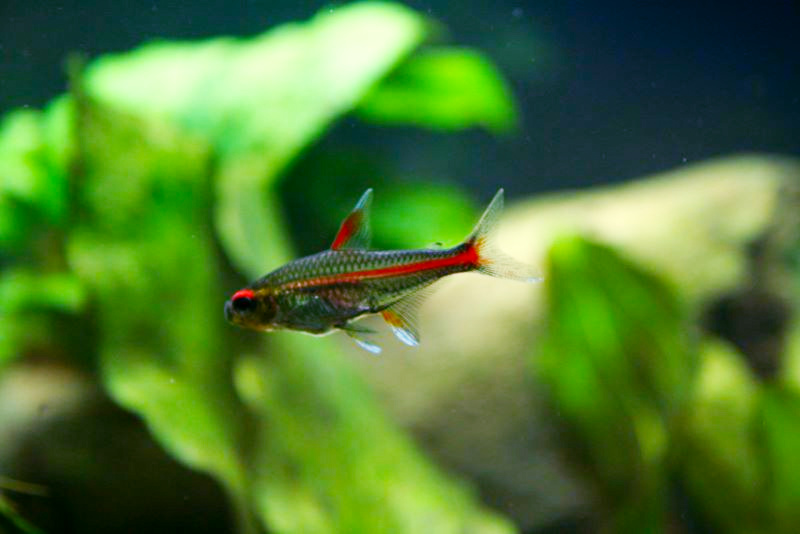
Hemigrammus bleheri
Tight schooling behaviour needs long open water and excellent, stable water quality.
Open care profilefish · midwater
Hemigrammus erythrozonus
Dark substrate and a group of eight or more bring out confident colour and movement.
Open care profilefish · midwater
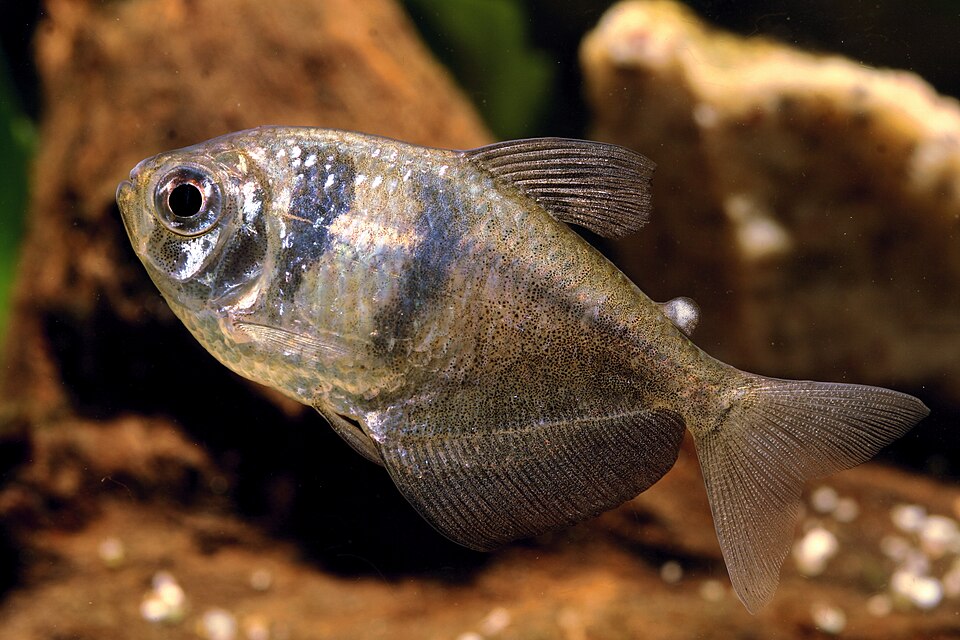
Gymnocorymbus ternetzi
A larger school disperses fin-nipping, but long-finned companions remain a poor choice.
Open care profilefish · midwater
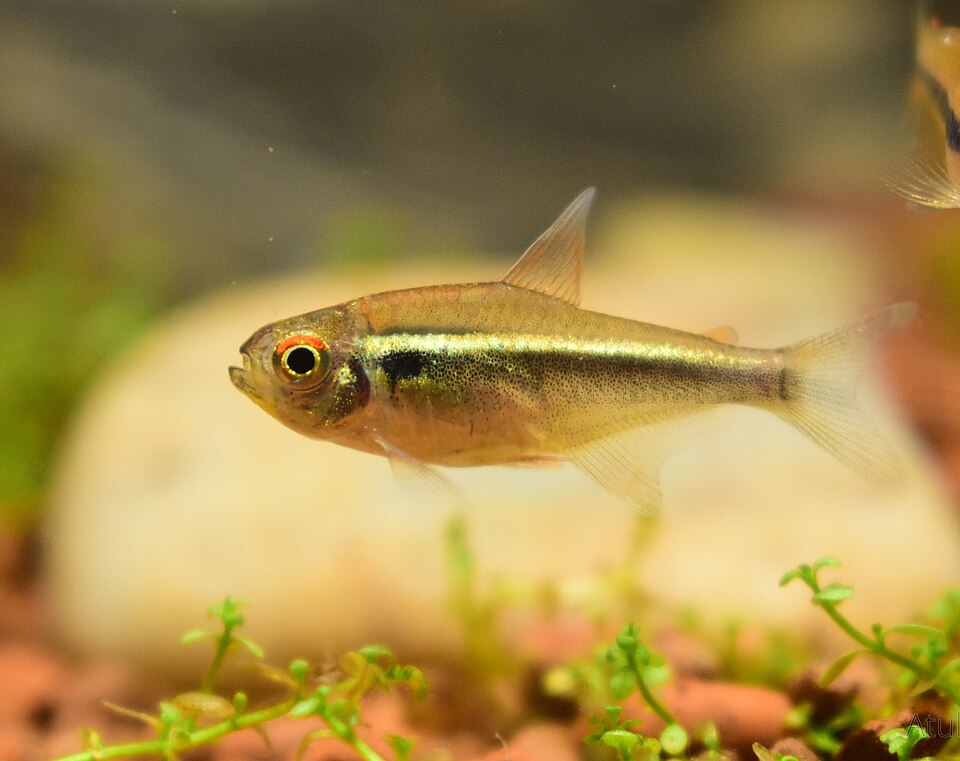
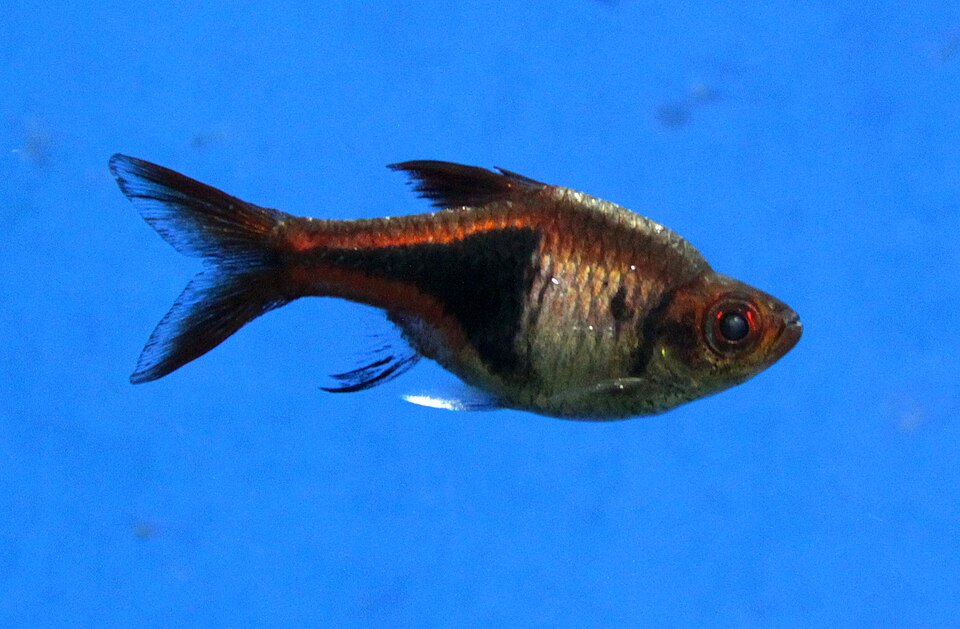
Hyphessobrycon herbertaxelrodi
A mature planted aquarium, open swimming room and a group of eight or more suit this distinct species—not a black form of the neon tetra.
Open care profilefish · midwater
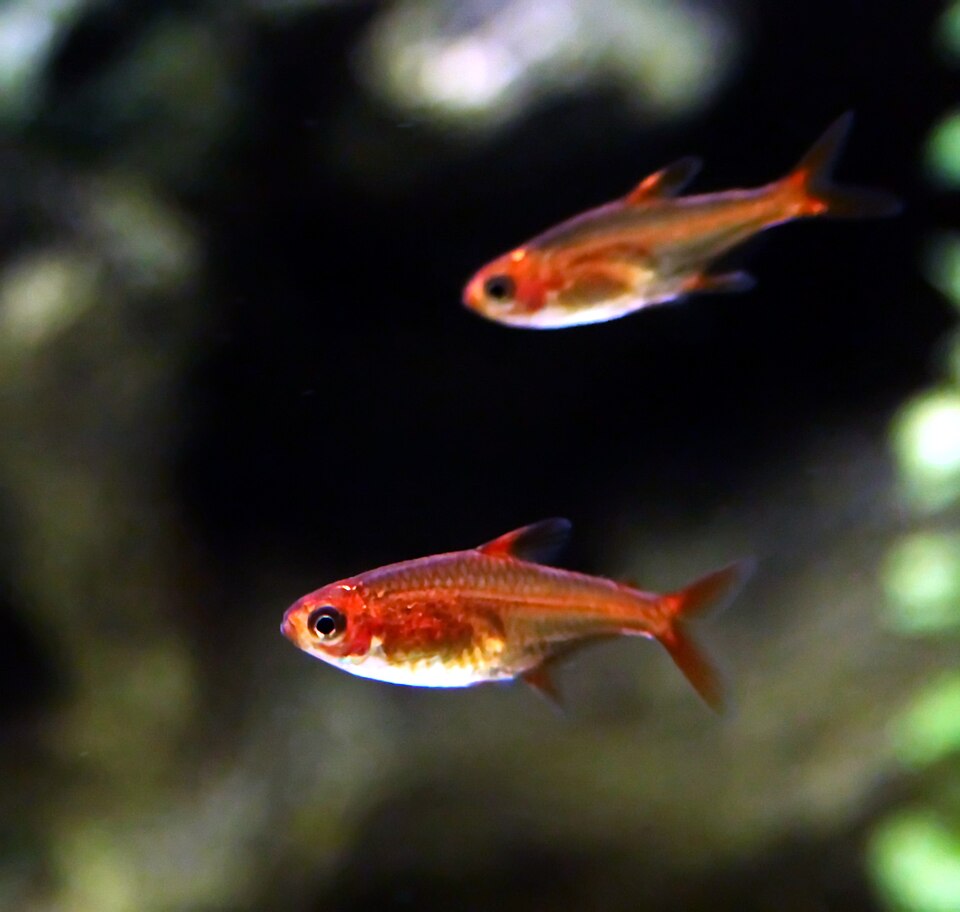
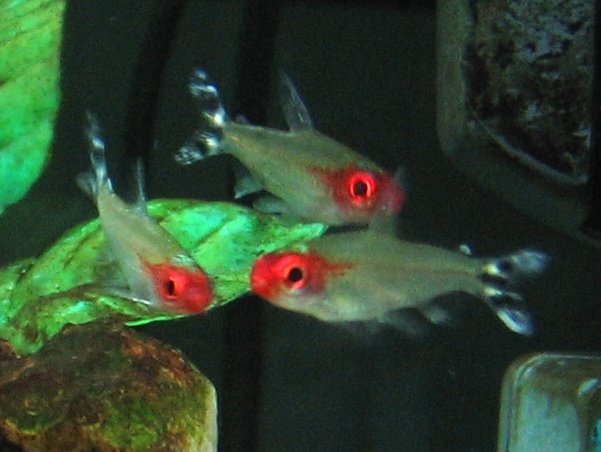
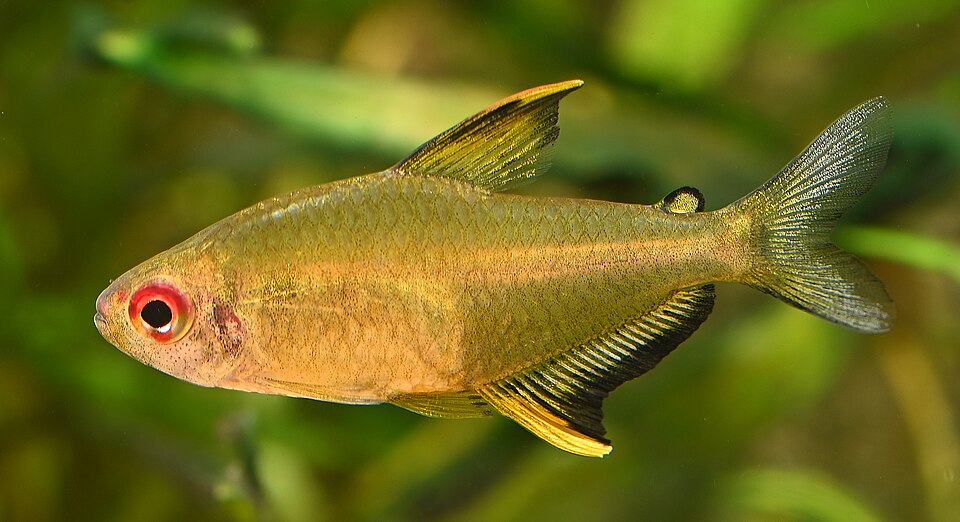
Hyphessobrycon pulchripinnis
A broad group, subdued cover and clean stable water help the translucent yellow colour and red eye show clearly.
Open care profile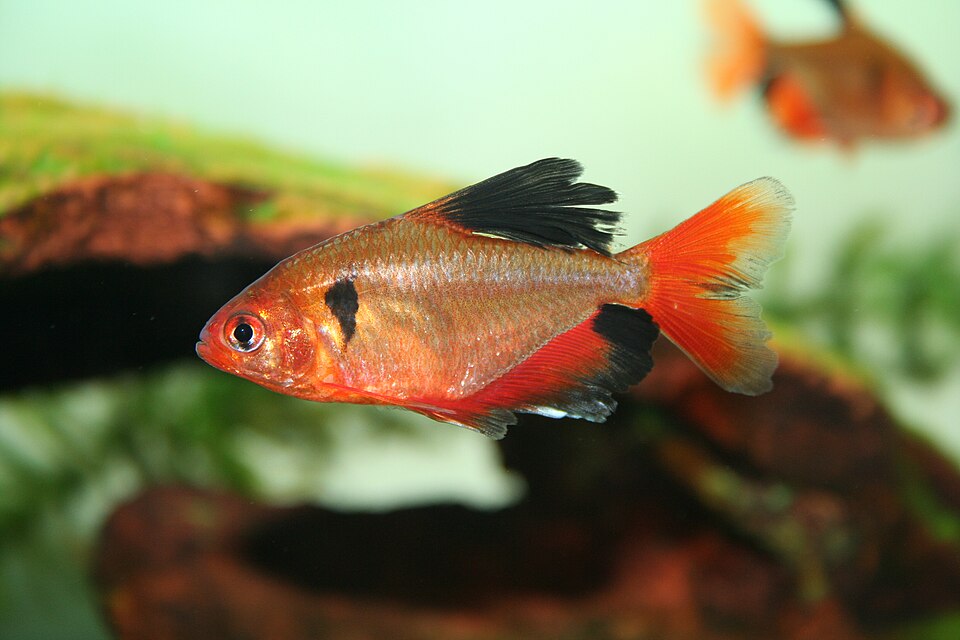
fish · midwater
Hyphessobrycon eques
Keep a large group to spread chasing, and exclude slow or long-finned companions that invite persistent nipping.
Open care profilefish · midwater
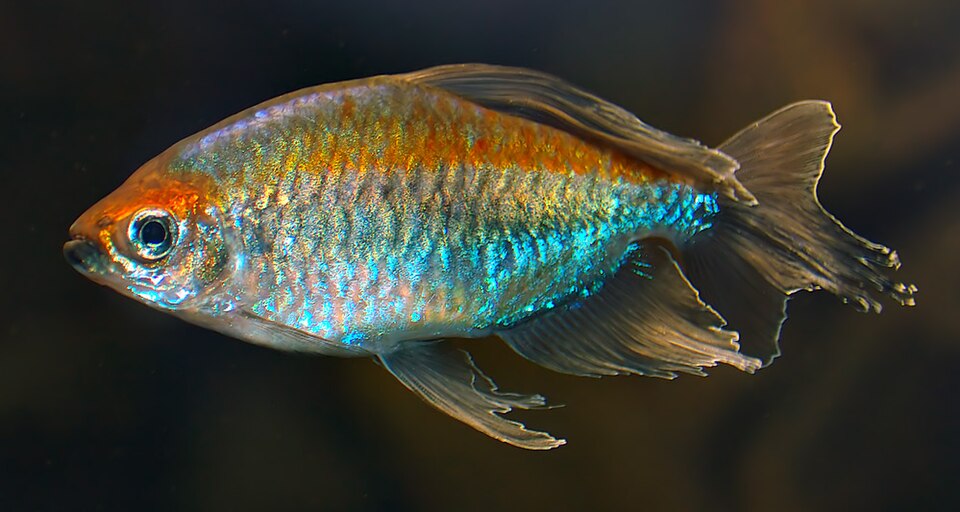
Phenacogrammus interruptus
A long aquarium, a substantial shoal and calm companions protect the species' flowing fins and confident movement.
Open care profilefish · midwater
Trigonostigma heteromorpha
A reliable community shoaler that benefits from shaded planting and a broad group.
Open care profilefish · surface / midwater
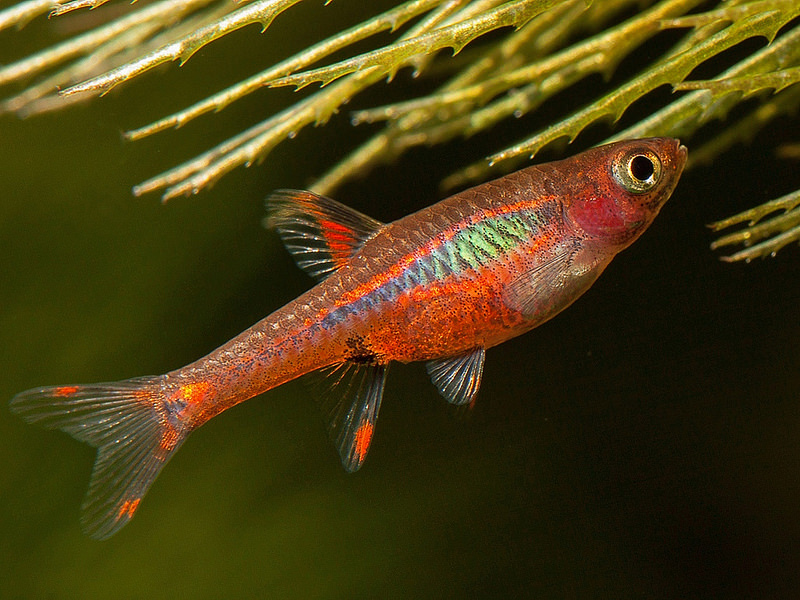
Boraras brigittae
Its minute size calls for mature nano tanks, gentle filtration and no predatory tank mates.
Open care profilefish · midwater
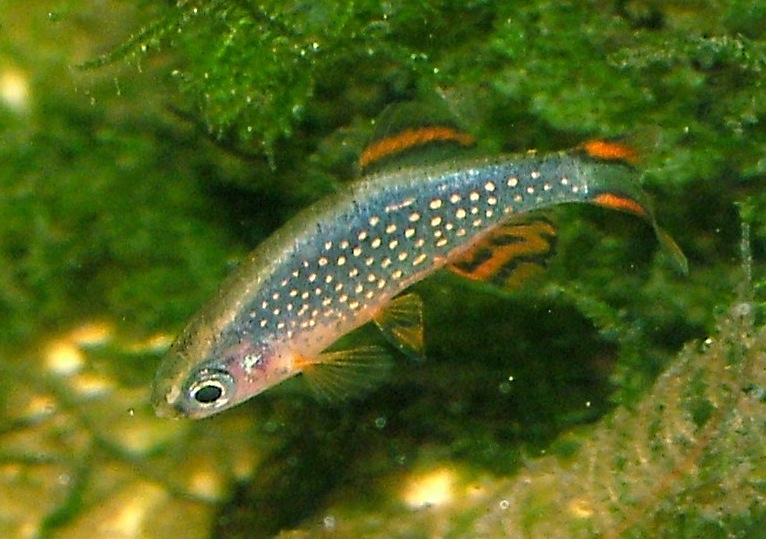
Danio margaritatus
Dense plants and more females than males reduce sparring and draw this shy fish into view.
Open care profilefish · surface / midwater
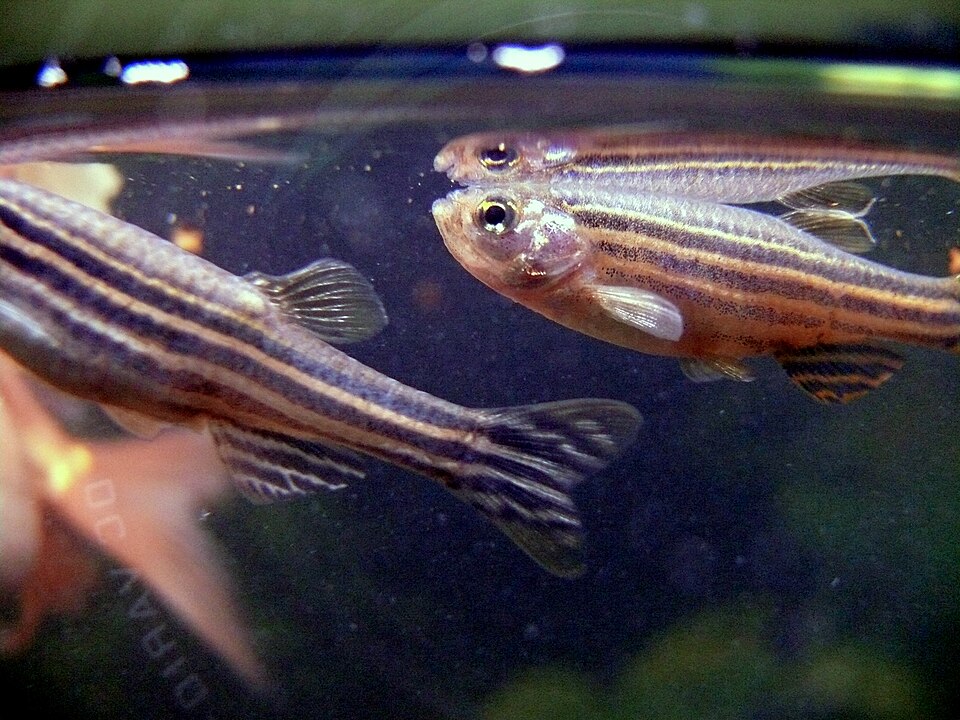
Danio rerio
Fast, cool-water swimming and playful chasing can unsettle slow or long-finned fish.
Open care profile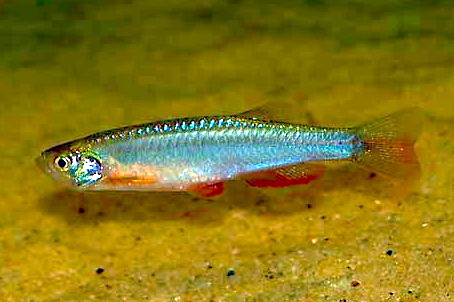
fish · surface / midwater
Danio albolineatus
A long aquarium and a substantial school are more important than extra height.
Open care profilefish · surface / midwater
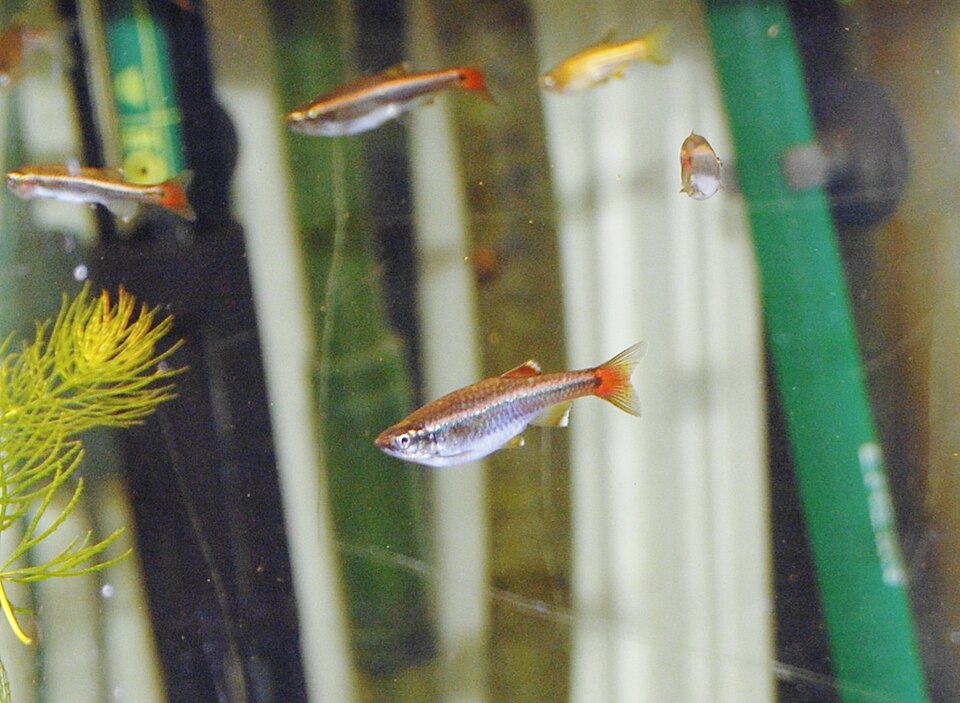
Tanichthys albonubes
This subtropical shoaler is often kept too warm; avoid permanently tropical temperatures.
Open care profilefish · midwater
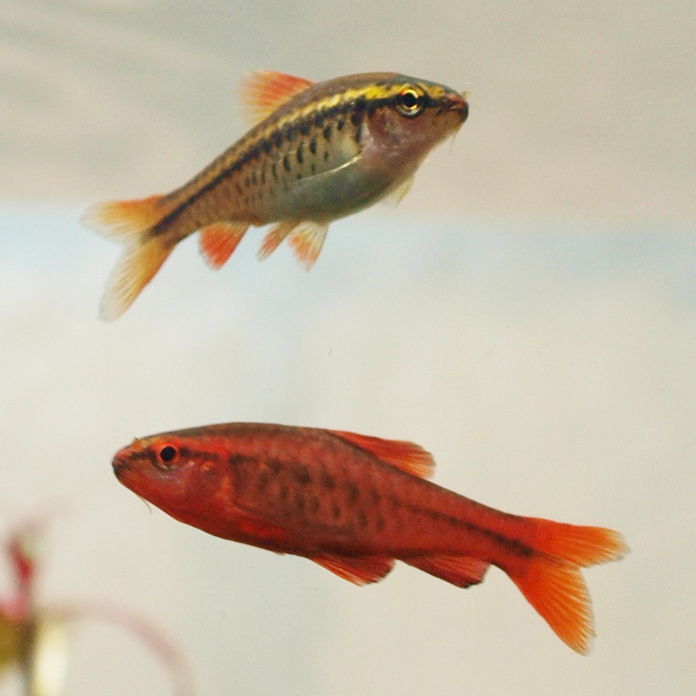
Puntius titteya
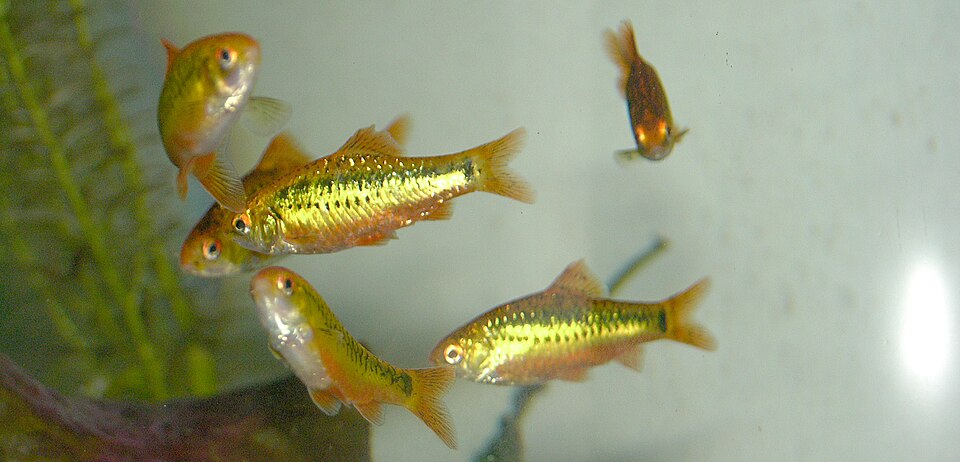
A planted tank and a mixed-sex group bring calmer behaviour and richer male colour.
Open care profilefish · midwater
Puntigrus tetrazona
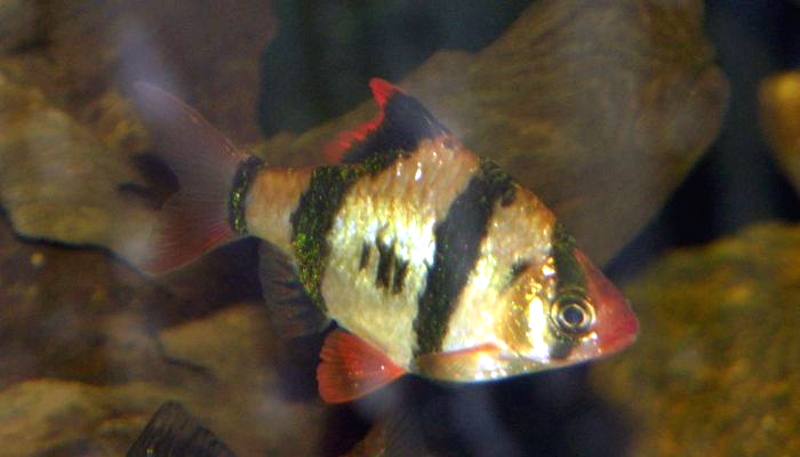
Keep a large group to spread aggression and exclude slow, timid and long-finned tank mates.
Open care profilefish · midwater
Pethia conchonius
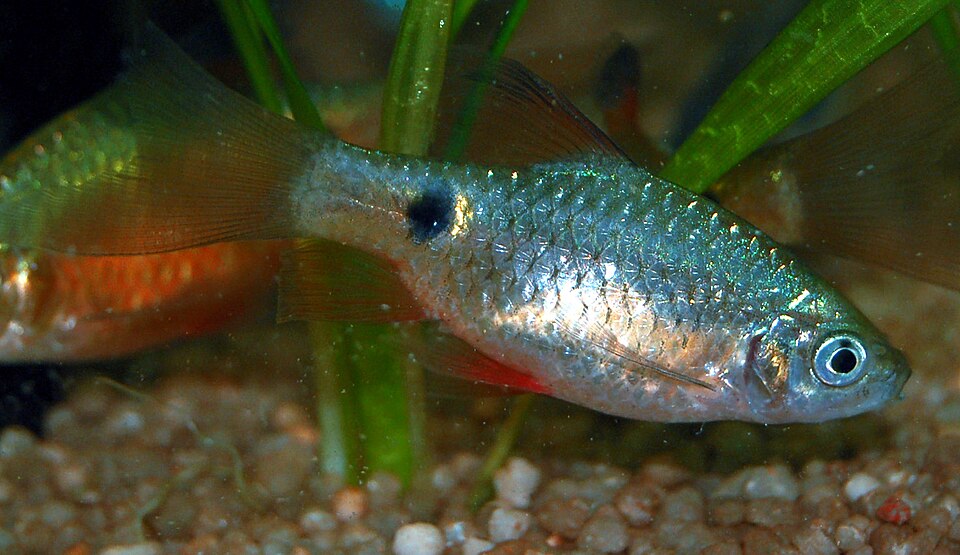
A robust subtropical barb needing a long tank and cooler water than many tropical communities.
Open care profilefish · midwater
Barbodes semifasciolatus
Best in a well-planted, cooler community with open space for a lively school.
Open care profilefish · bottom
Corydoras aeneus
A group on fine, clean substrate can forage naturally without damaging sensitive barbels.
Open care profilefish · bottom
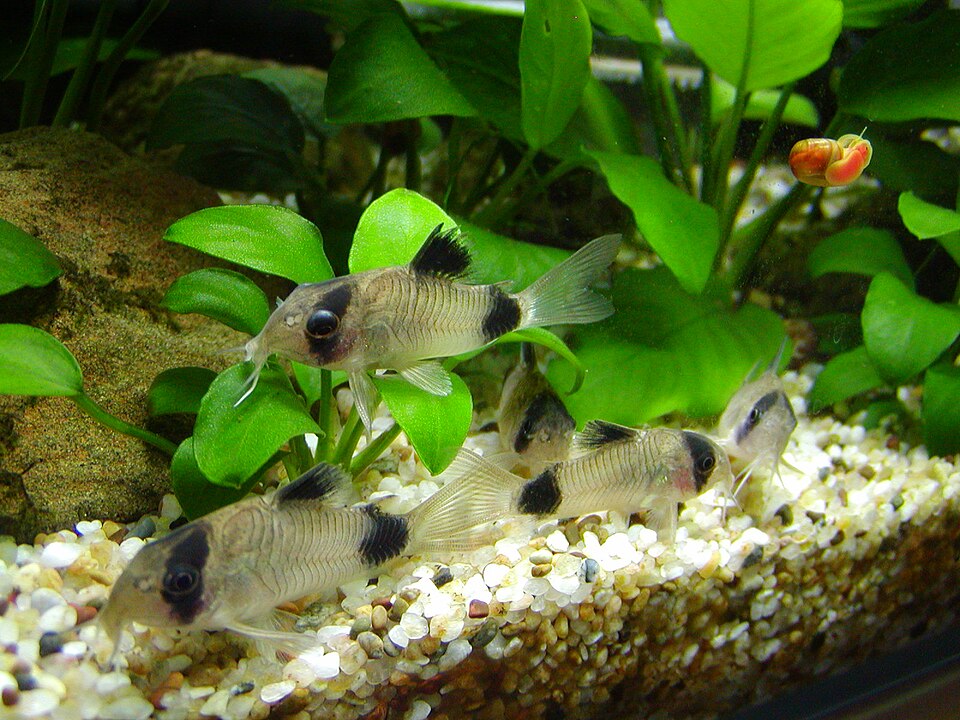
Corydoras panda
Cooler water, good oxygenation and a group of six or more are central to long-term care.
Open care profilefish · bottom / midwater
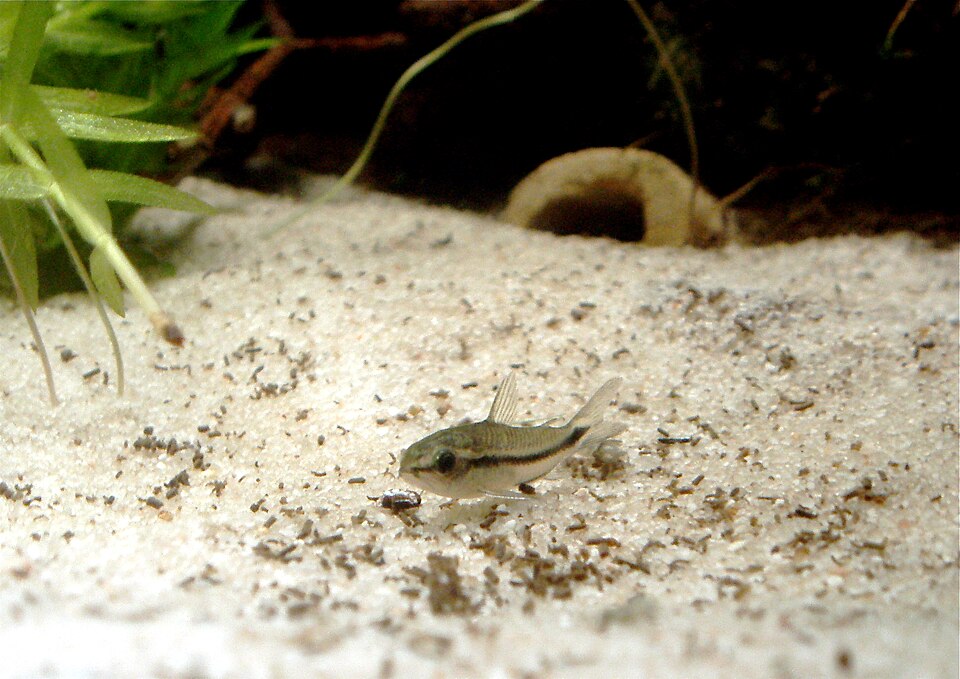
Corydoras pygmaeus
Unlike larger corys this tiny species also hovers midwater; small peaceful companions are essential.
Open care profilefish · bottom
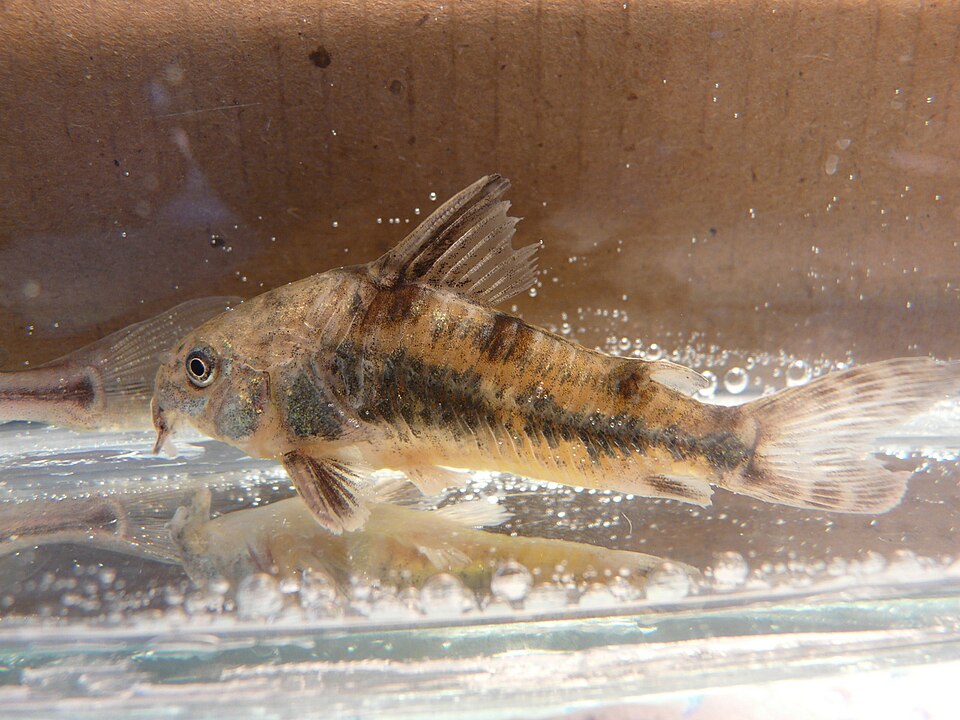
Corydoras paleatus
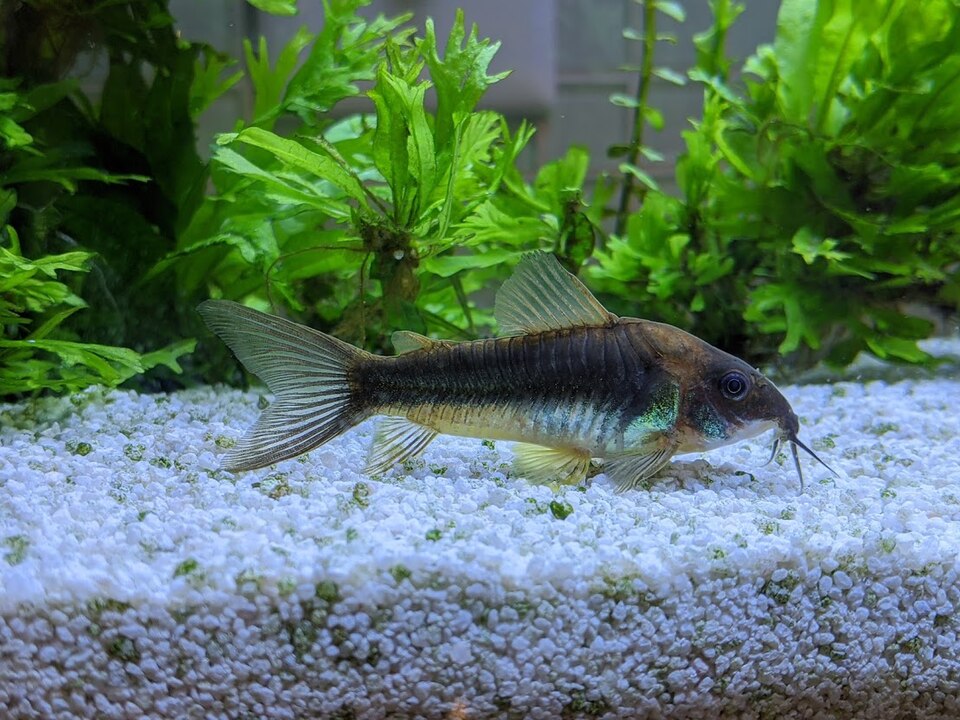
This cooler-water cory needs a group, clean soft substrate and well-oxygenated water rather than permanently high tropical temperatures.
Open care profilefish · bottom
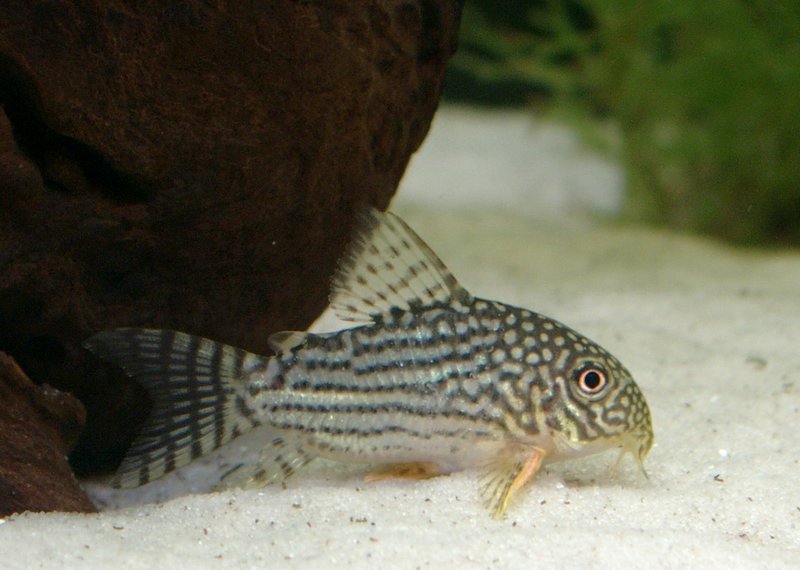
Corydoras sterbai
One of the warmer-water Corydoras, but it still needs a group of six or more, fine substrate and reliable oxygenation.
Open care profilefish · bottom
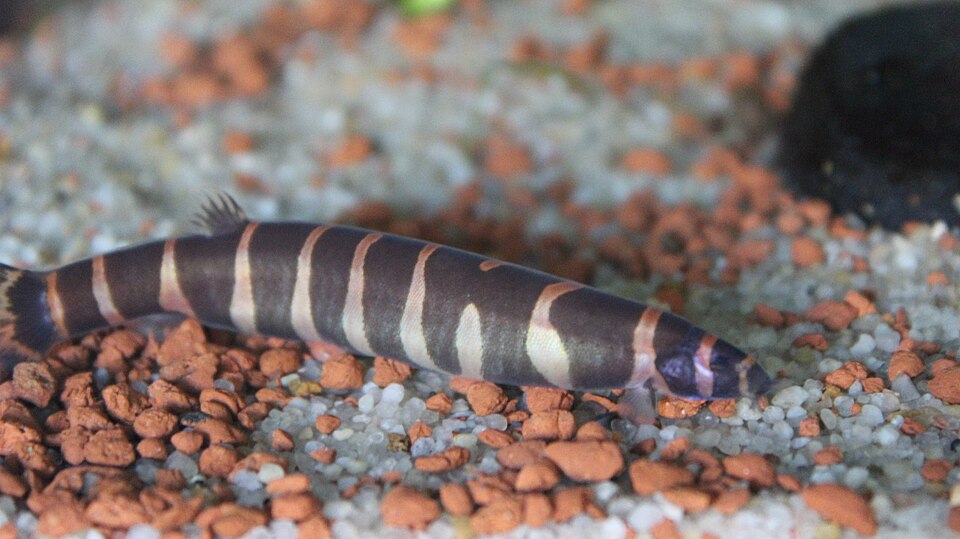
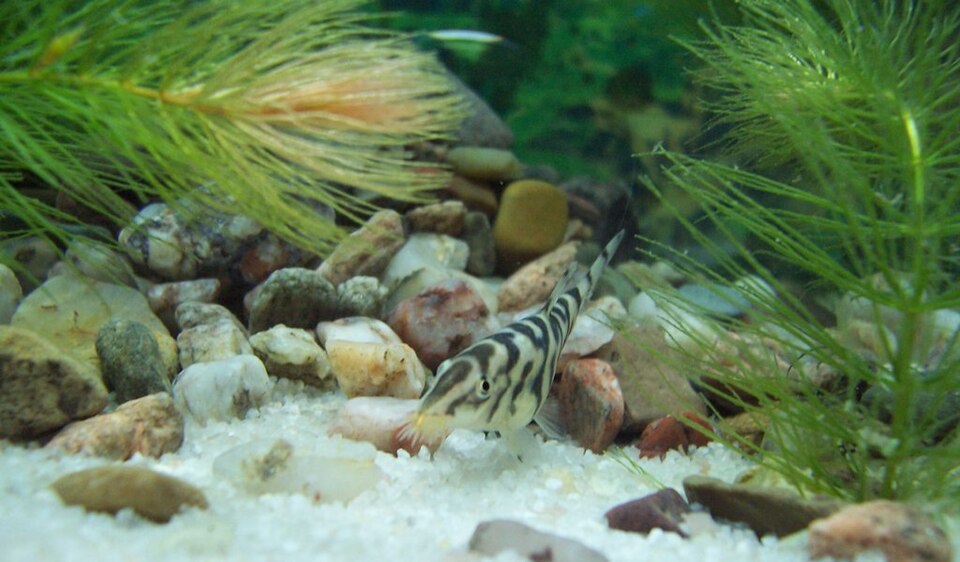
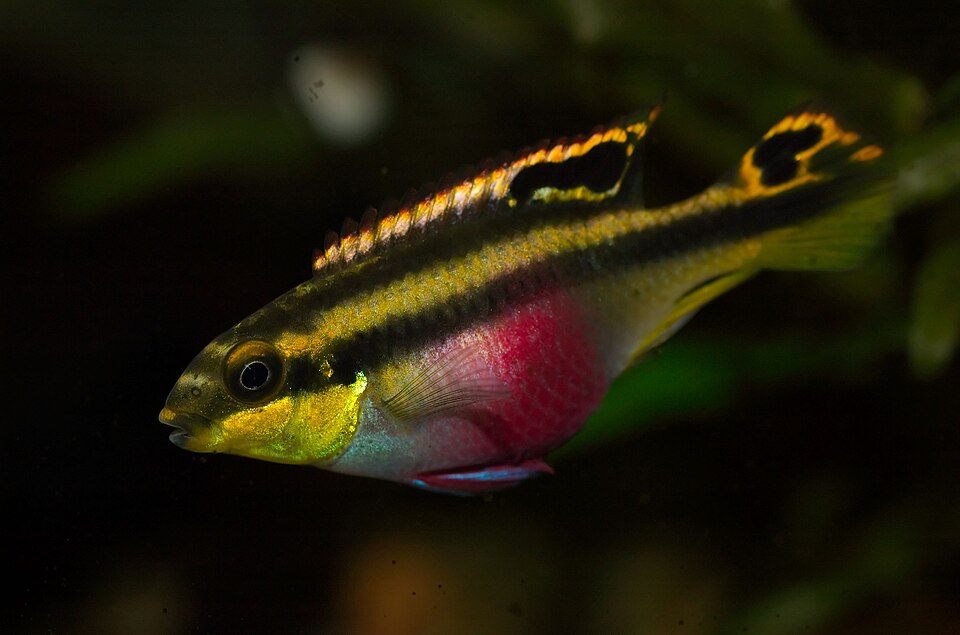
Pangio kuhlii
A soft substrate, many tight hides and a social group help these nocturnal loaches emerge.
Open care profilefish · bottom
Botia almorhae
Social hierarchy, adult size and high activity make a group in a long tank mandatory.
Open care profilefish · bottom
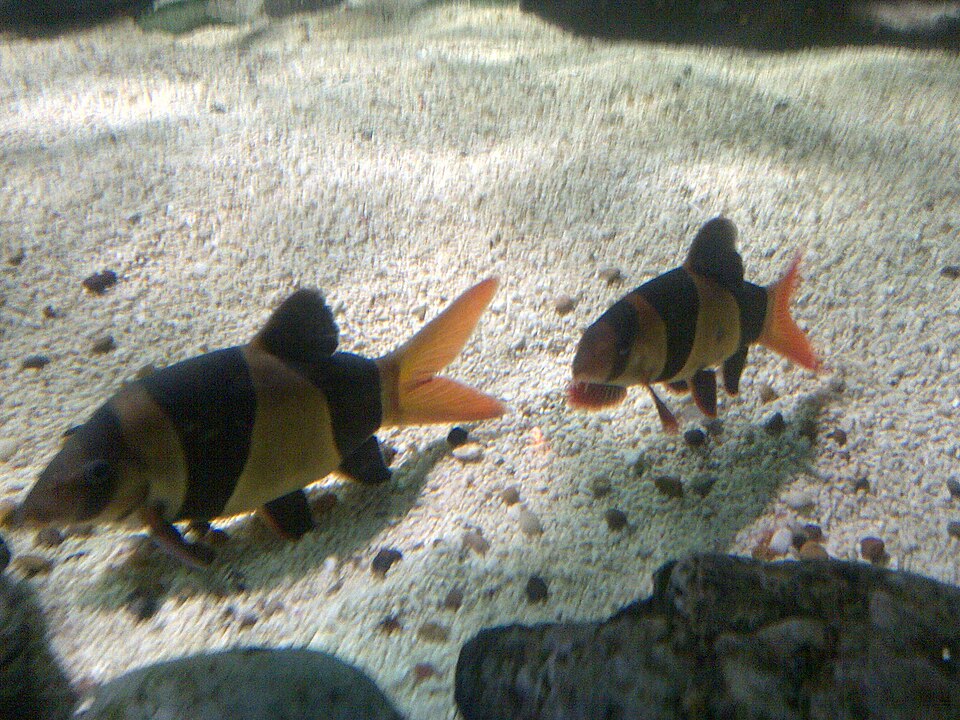
Chromobotia macracanthus
Often sold small, this long-lived giant needs a very large aquarium and a proper group.
Open care profilefish · bottom
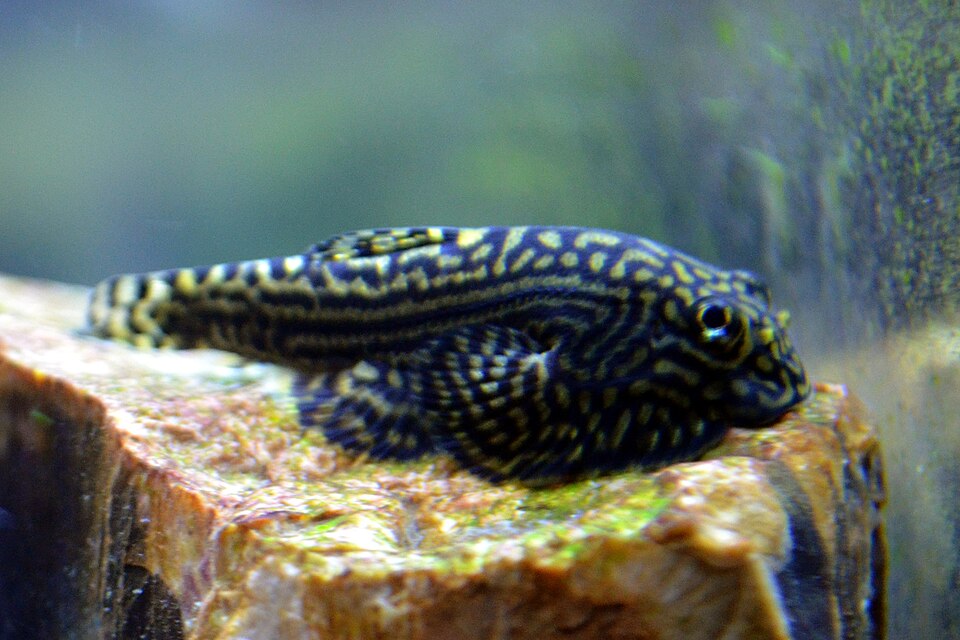
Sewellia lineolata
High dissolved oxygen, strong flow and mature biofilm matter more than a conventional tropical setup.
Open care profilefish · bottom
Ancistrus cirrhosus
Provide real wood, caves and a varied diet; algae alone is neither enough food nor a clean-up plan.
Open care profilefish · bottom
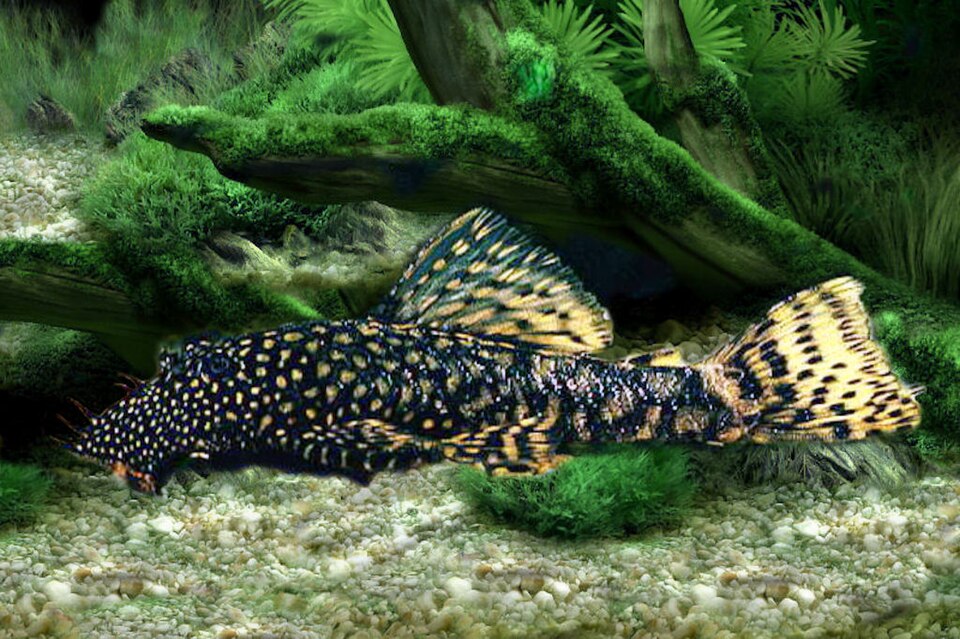
Hypostomus plecostomus
The common name covers very large loricariids that quickly outgrow ordinary home aquariums.
Open care profilefish · all surfaces
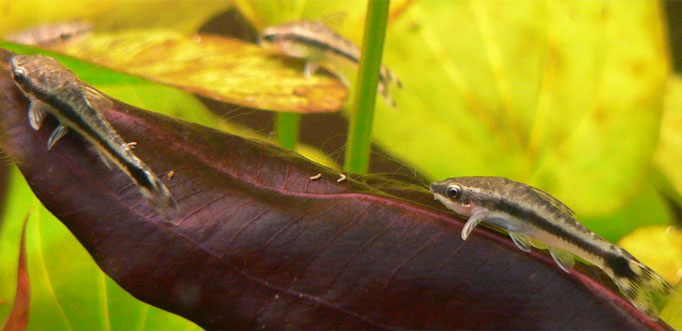
Otocinclus vittatus
Add only to a mature aquarium with natural biofilm and supplement its specialised grazing diet.
Open care profilefish · bottom / midwater
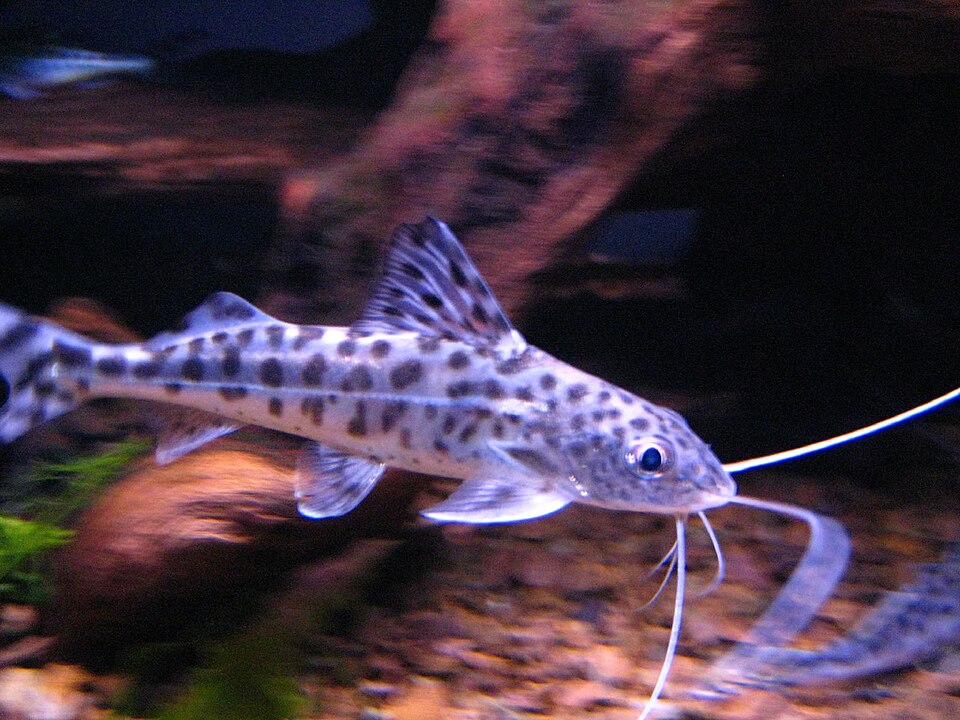
Pimelodus pictus
A fast nocturnal predator able to swallow small companions; allow long unobstructed swimming space.
Open care profilefish · bottom / midwater
Crossocheilus oblongus
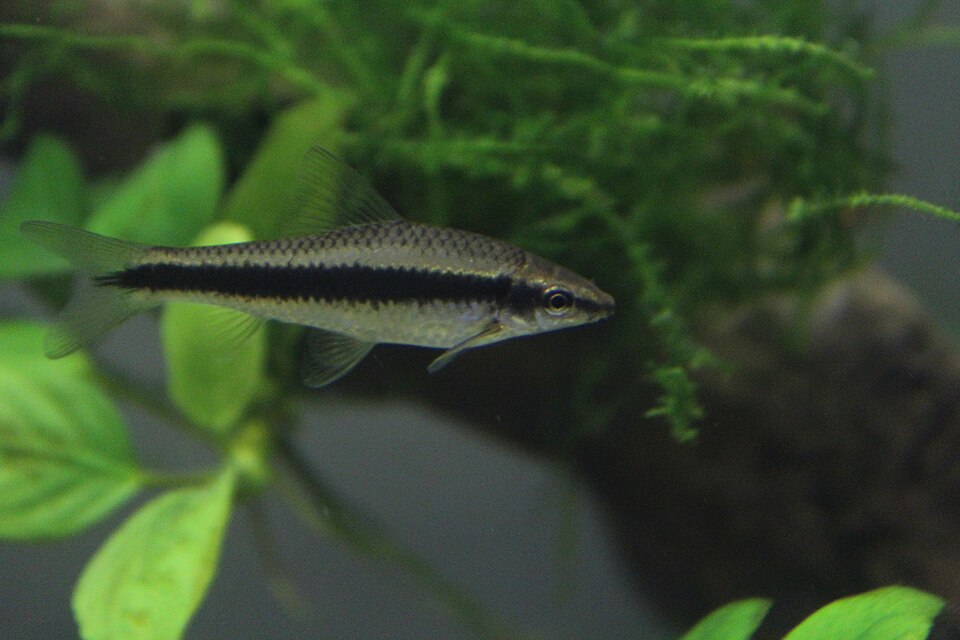
Trade names are unreliable: confirm the unbroken black stripe and clear fins, then provide a long, oxygen-rich aquarium and a proper diet beyond algae.
Open care profilefish · bottom / midwater
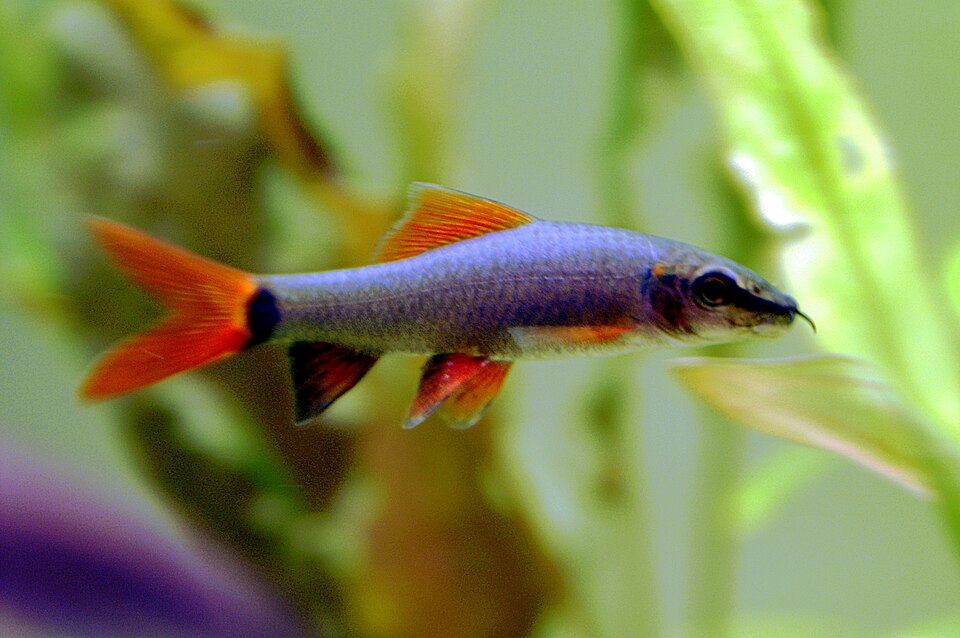
Epalzeorhynchos kalopterum
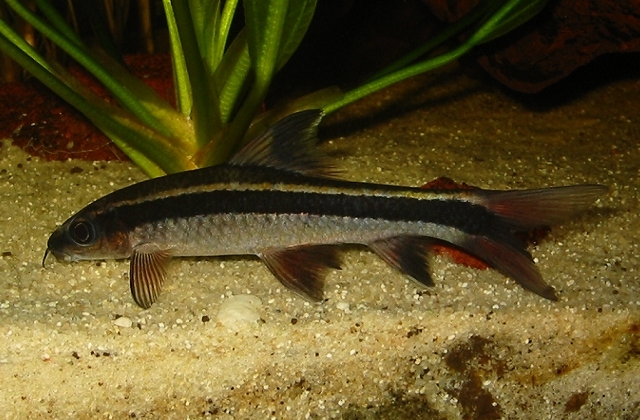
Often confused with the Siamese algae eater, this territorial adult is best kept singly with ample floor space, current and visual barriers.
Open care profilefish · surface / midwater
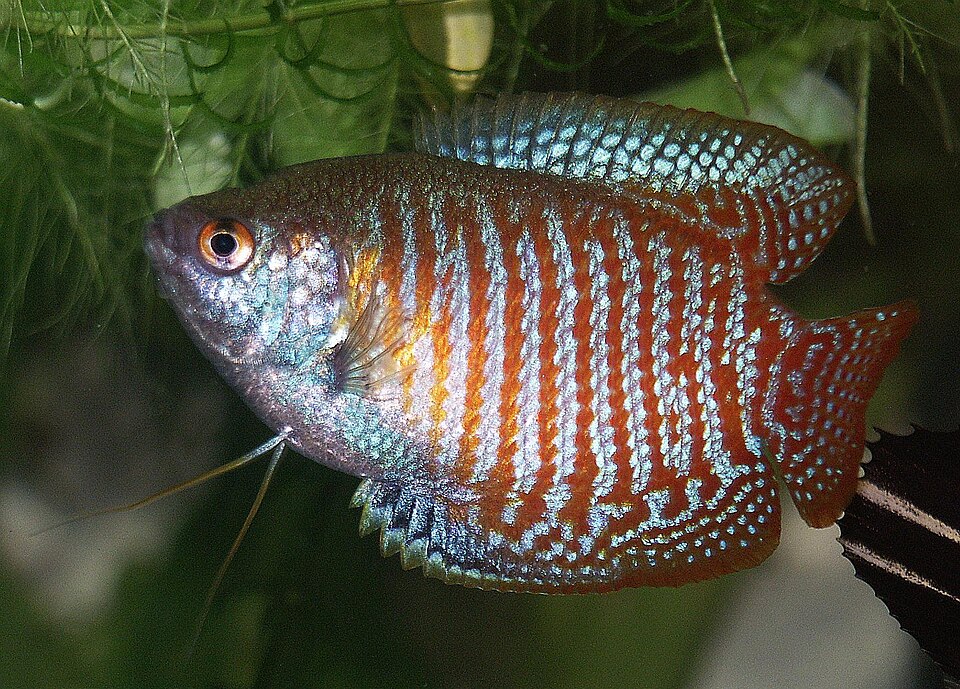
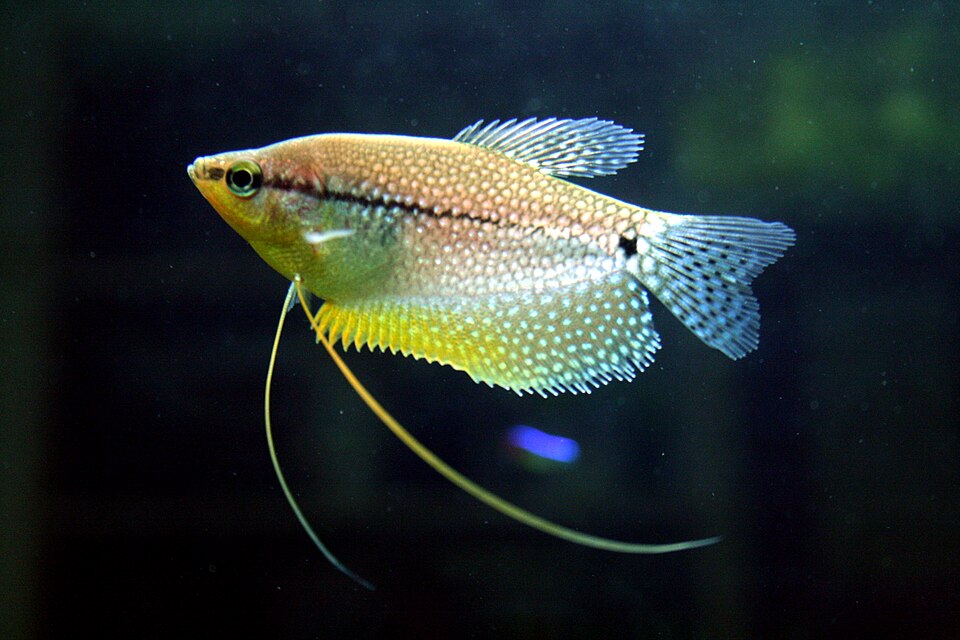
Trichogaster lalius
Choose healthy stock, provide surface cover and avoid combining multiple males in cramped quarters.
Open care profilefish · surface / midwater
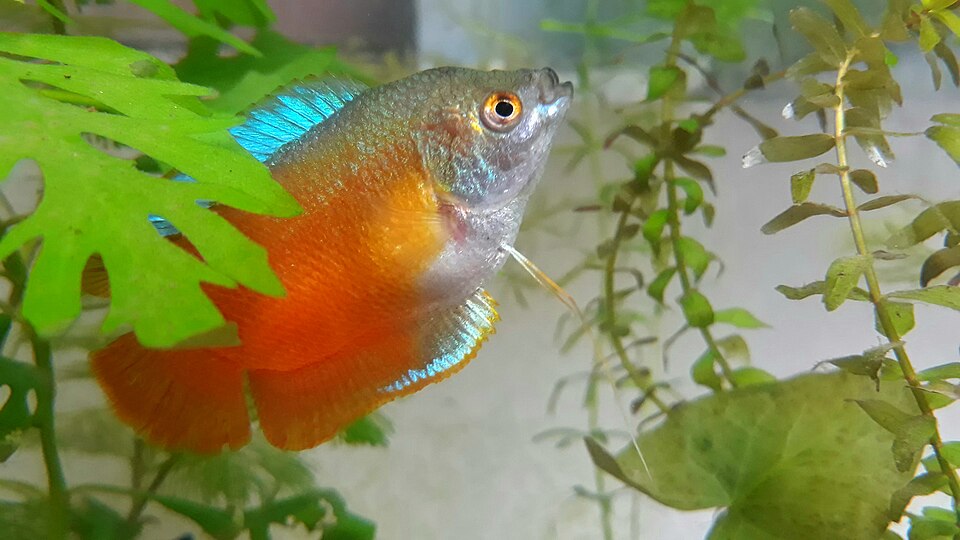
Trichogaster chuna
Gentle companions, floating cover and calm flow suit this shy labyrinth fish.
Open care profilefish · surface / midwater
Trichopodus leerii
A calm, planted tank with open surface access suits adults better than a boisterous community.
Open care profilefish · midwater
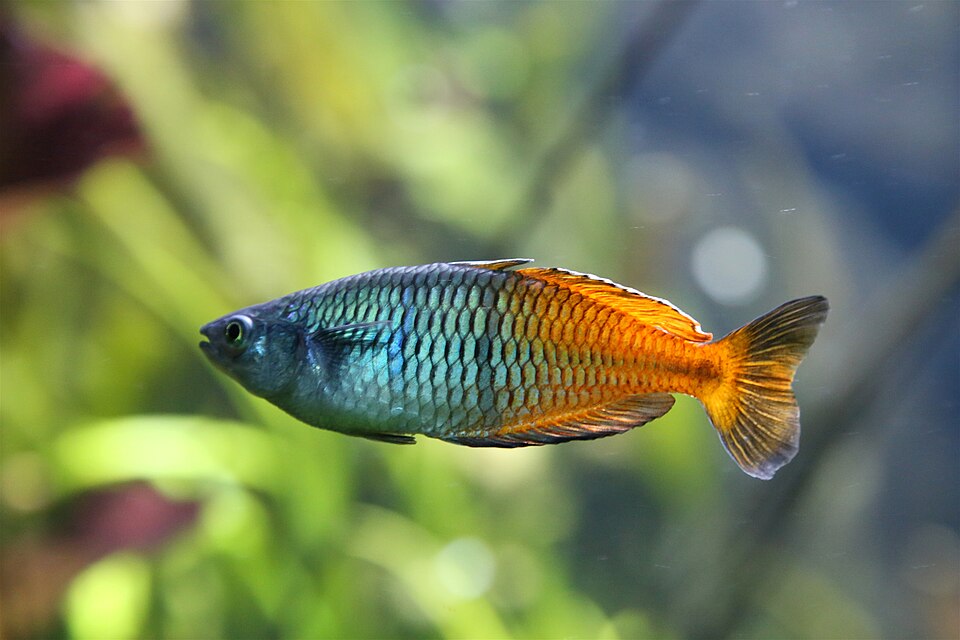
Melanotaenia boesemani
This endangered-in-the-wild shoaler needs hard alkaline water, a long open swimming lane and responsibly sourced captive-bred stock.
Open care profilefish · bottom / midwater
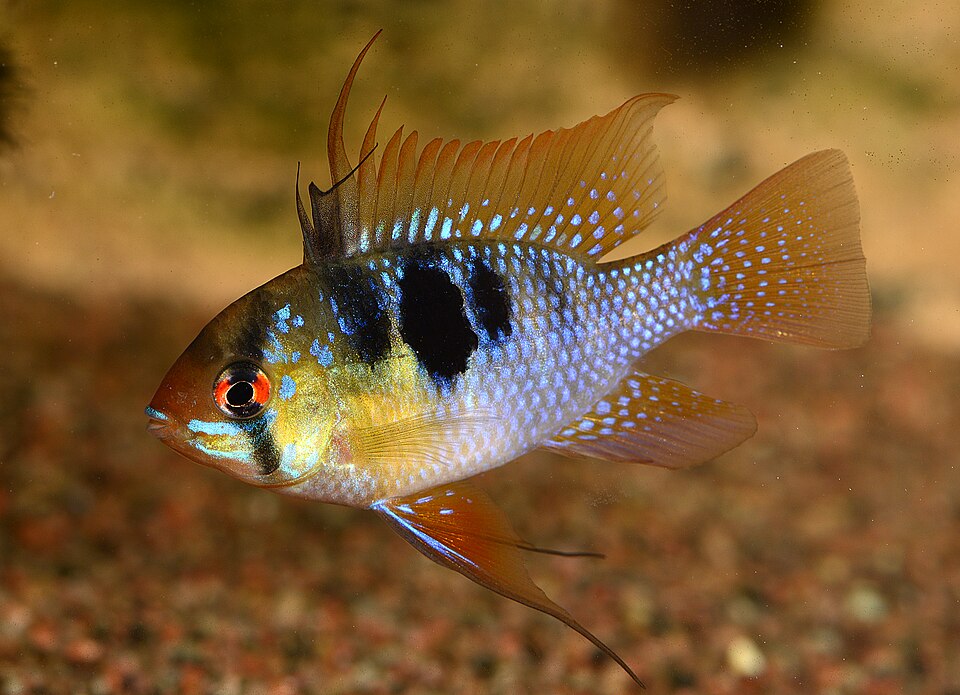
Mikrogeophagus ramirezi
Sustained warmth and exceptionally clean, stable water narrow the list of appropriate companions.
Open care profilefish · bottom / midwater
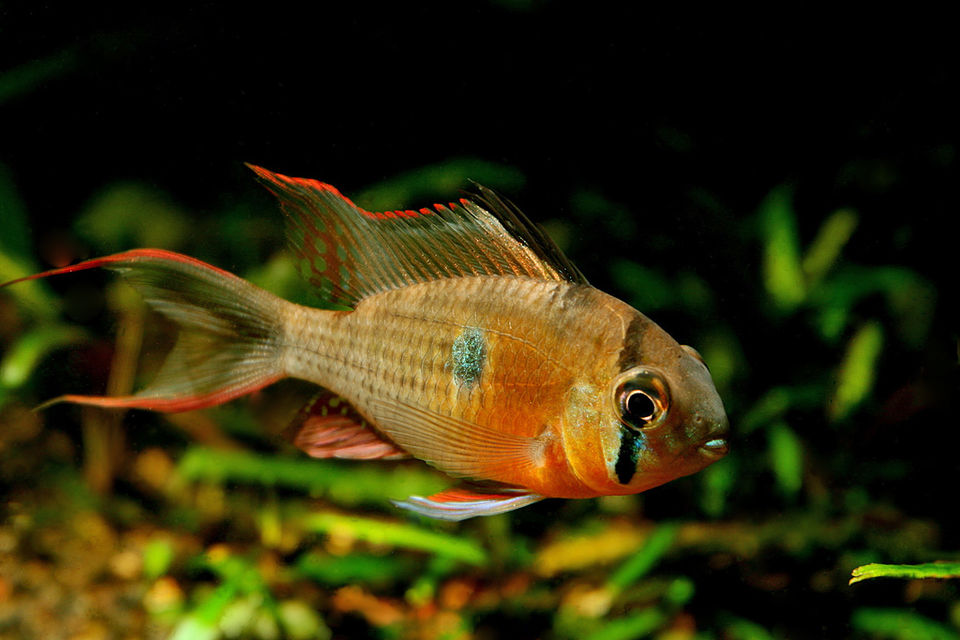
Mikrogeophagus altispinosus
A comparatively robust dwarf cichlid, though pairs still defend a spawning patch.
Open care profilegroup · bottom
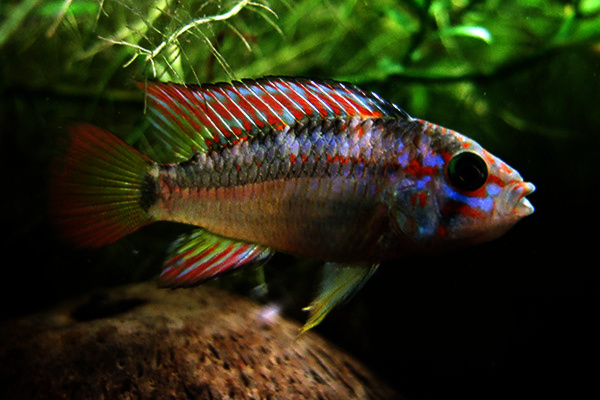
Apistogramma spp.
This is a genus-level overview: exact water, social and harem needs differ substantially by species.
Open care profilefish · midwater
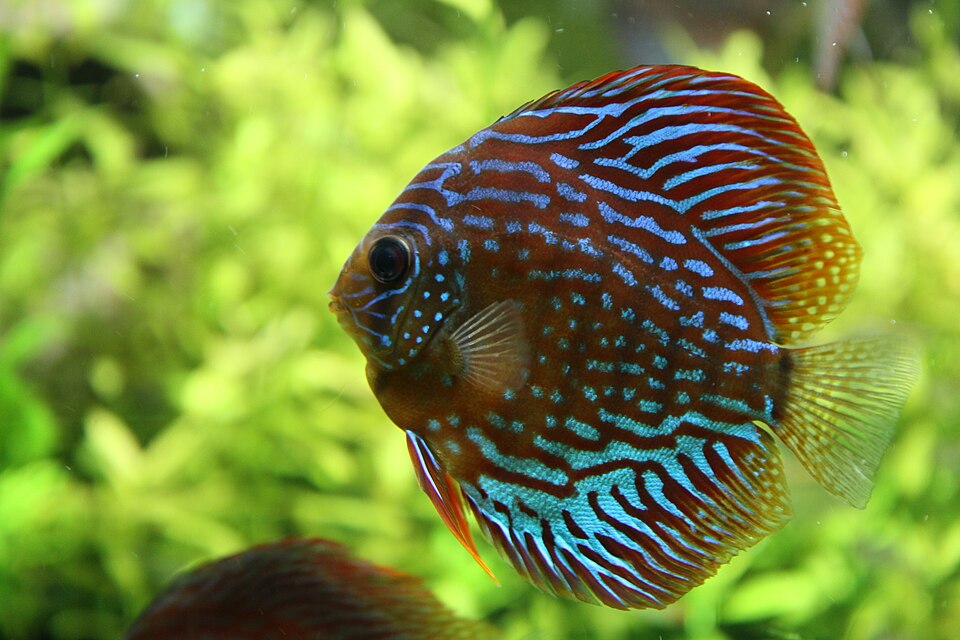
Symphysodon aequifasciatus
Large groups, high temperature and very clean water make discus a specialist commitment.
Open care profilefish · midwater
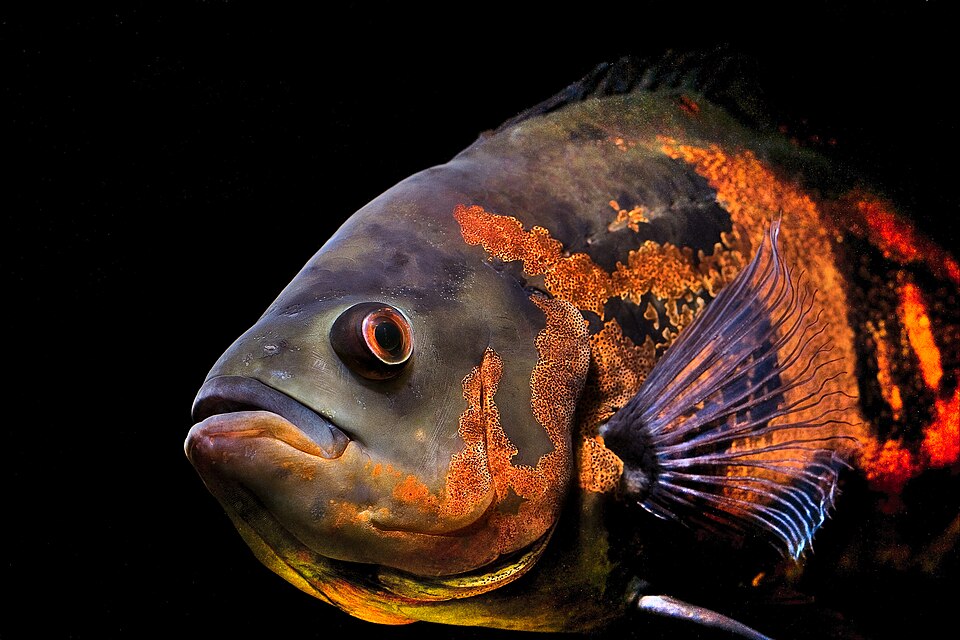
Astronotus ocellatus
Powerful, messy and predatory, an oscar needs robust filtration and carefully selected large companions.
Open care profilefish · midwater / bottom
Andinoacara pulcher
Usually measured for a cichlid, but breeding pairs defend territory and can eat small fish.
Open care profilefish · midwater / bottom
Amatitlania nigrofasciata
Easy breeding produces intense territorial defence; community plans frequently fail around a pair.
Open care profilefish · bottom / midwater
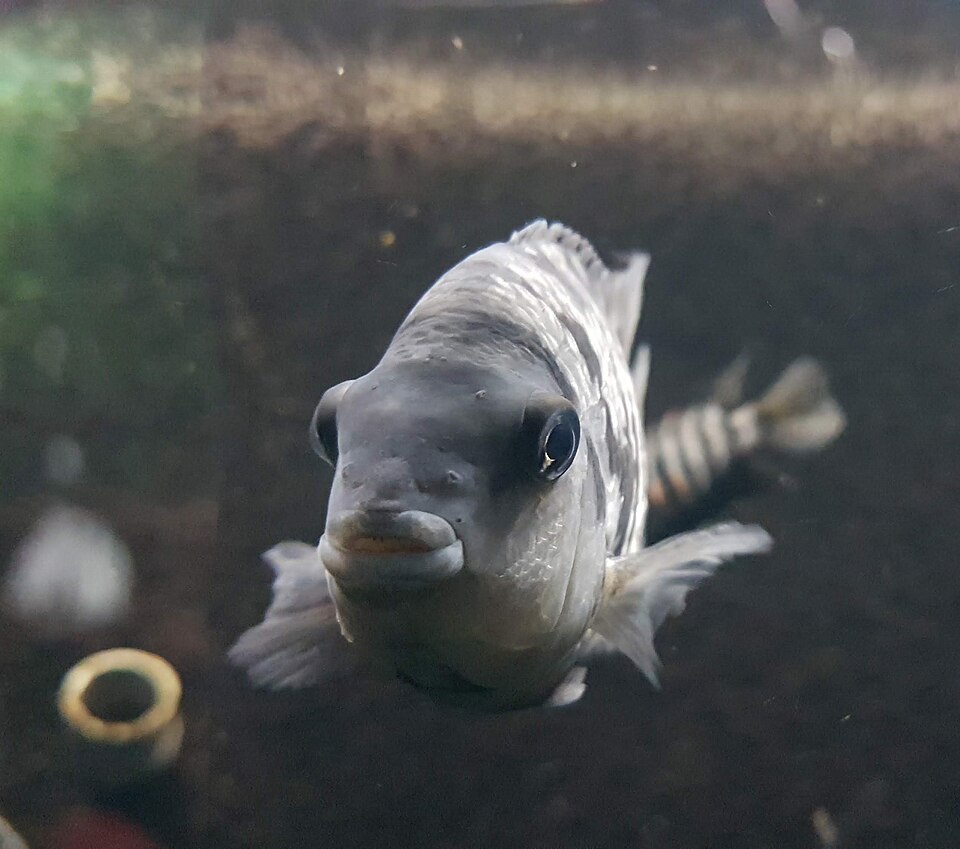
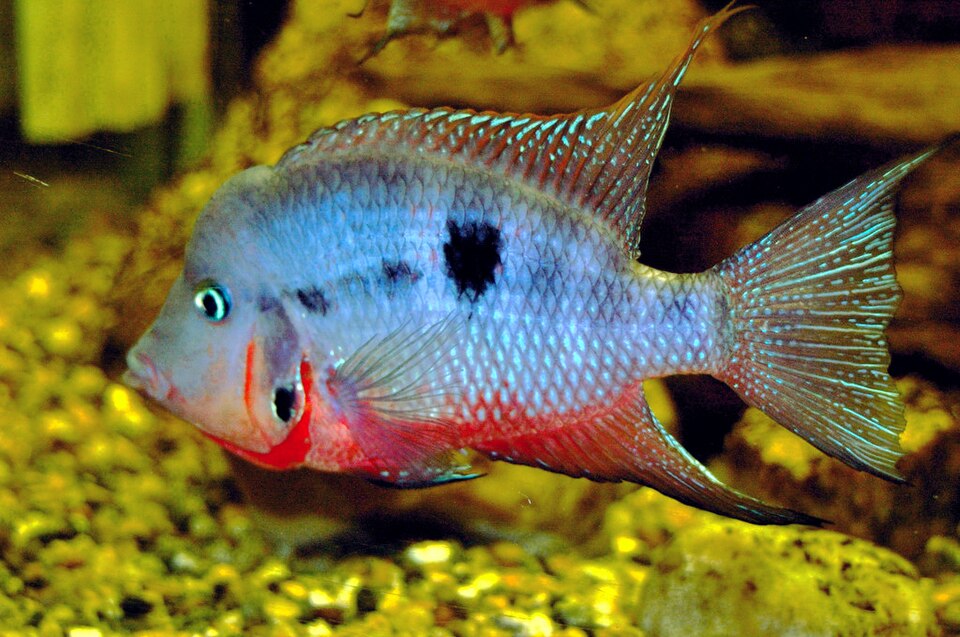
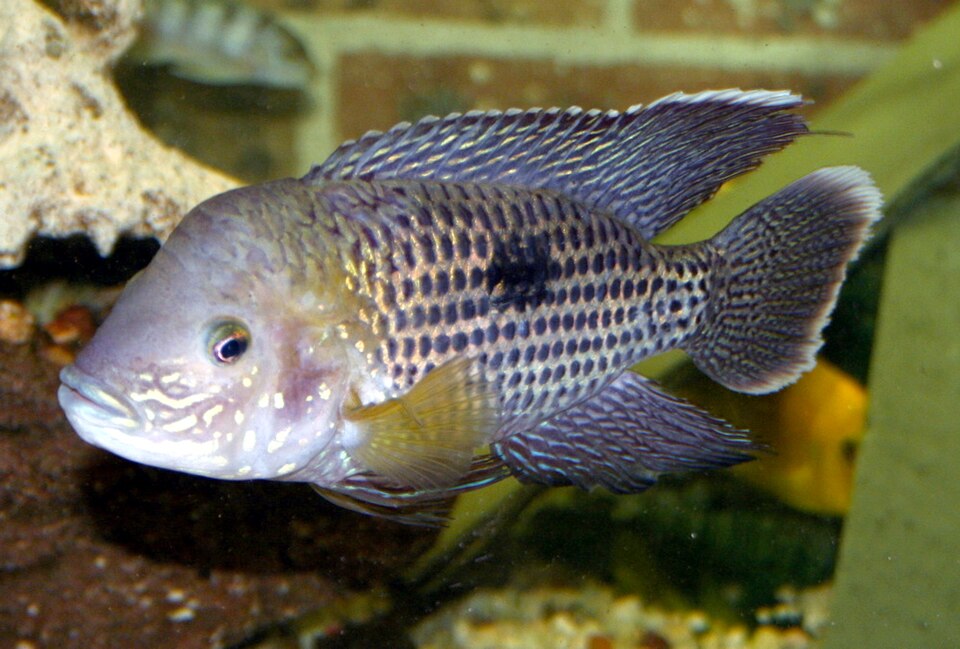
Thorichthys meeki
Allow floor territory and visual barriers; threats intensify sharply during spawning.
Open care profilefish · bottom / midwater
Pelvicachromis pulcher
A bonded pair can defend a large cave territory, so peaceful behaviour outside spawning is not a guarantee of community safety.
Open care profilefish · midwater / bottom
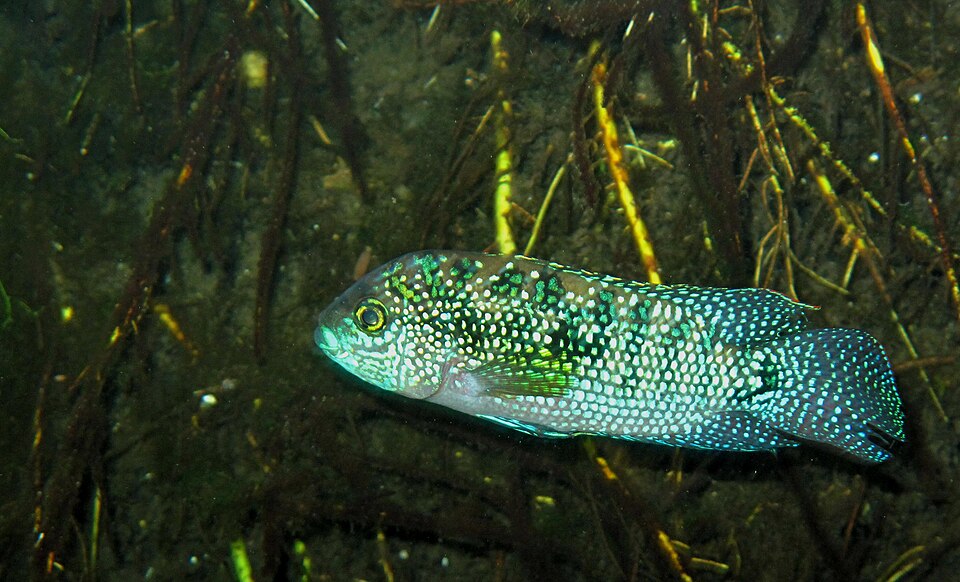
Rocio octofasciata
A large territorial cichlid requiring sturdy decor, space and equally robust companions.
Open care profilefish · midwater / bottom
Andinoacara rivulatus
Adult males become large and forceful; generous footprint matters more than decorative tank volume.
Open care profilefish · bottom
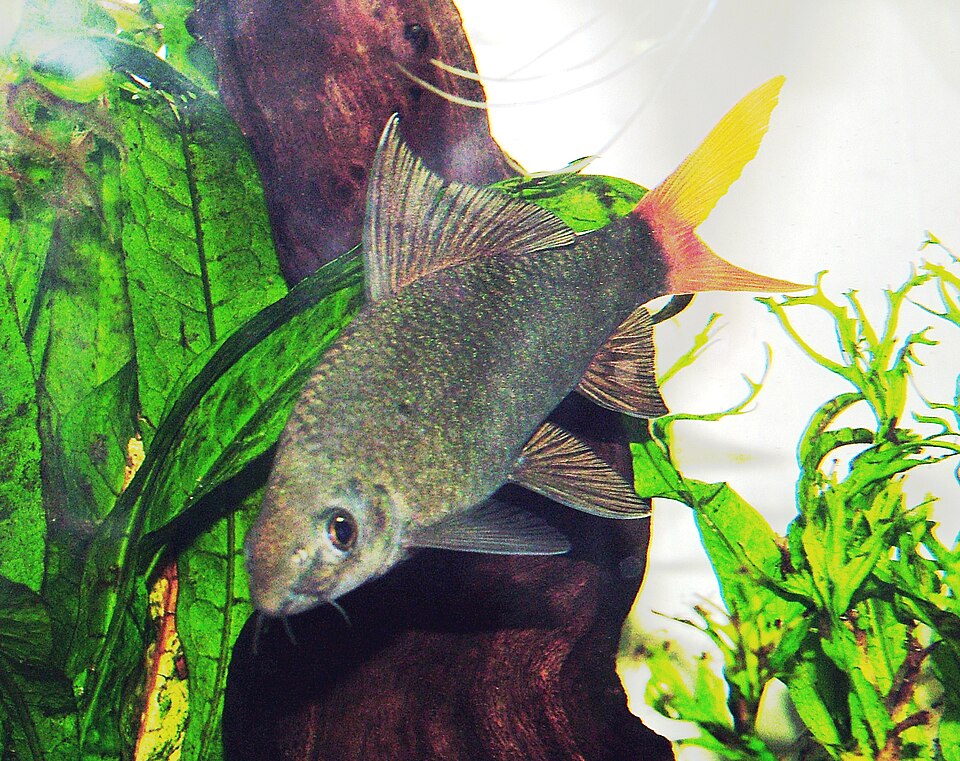
Epalzeorhynchos frenatum
Keep one per normal aquarium and avoid similar-shaped bottom fish competing for the same space.
Open care profilefish · bottom
Epalzeorhynchos bicolor
This endangered-in-the-wild cyprinid becomes highly territorial as it matures.
Open care profilefish · midwater
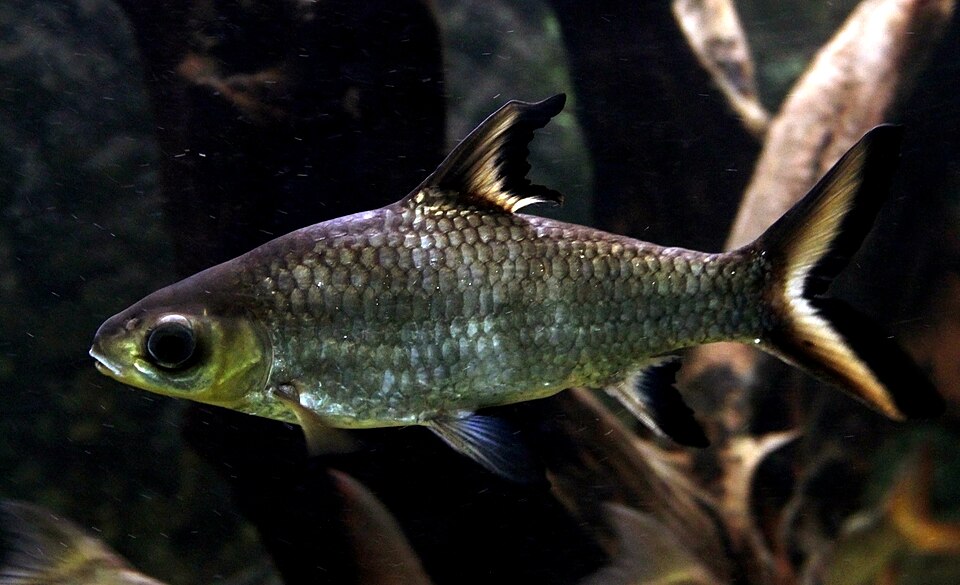
Balantiocheilos melanopterus
A nervous, very large schooling fish unsuitable for all but exceptional home aquariums.
Open care profilefish · bottom
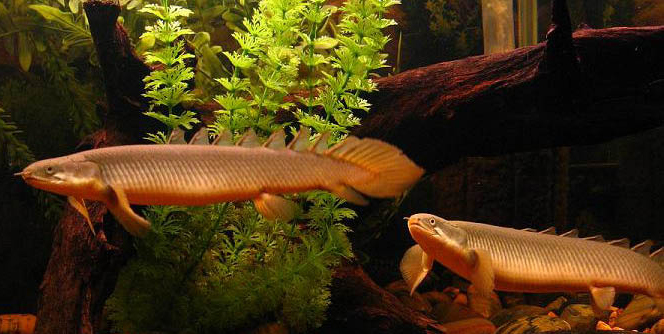
Polypterus senegalus
A secure lid is essential; any tank mate that fits in its mouth should be considered prey.
Open care profilefish · all zones
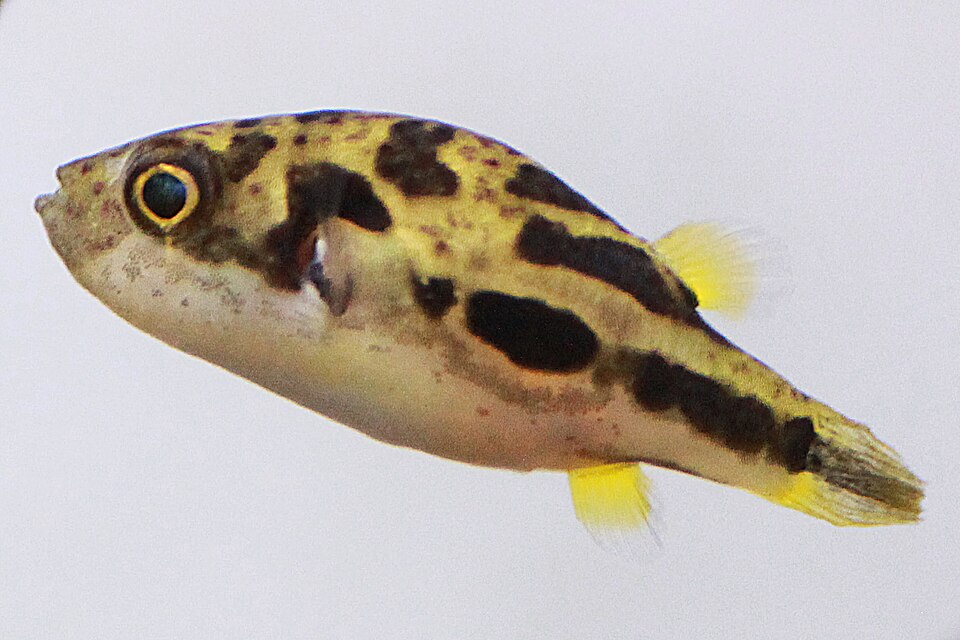
Carinotetraodon travancoricus
Tiny size hides specialised feeding and territorial behaviour; species-focused setups are safest.
Open care profile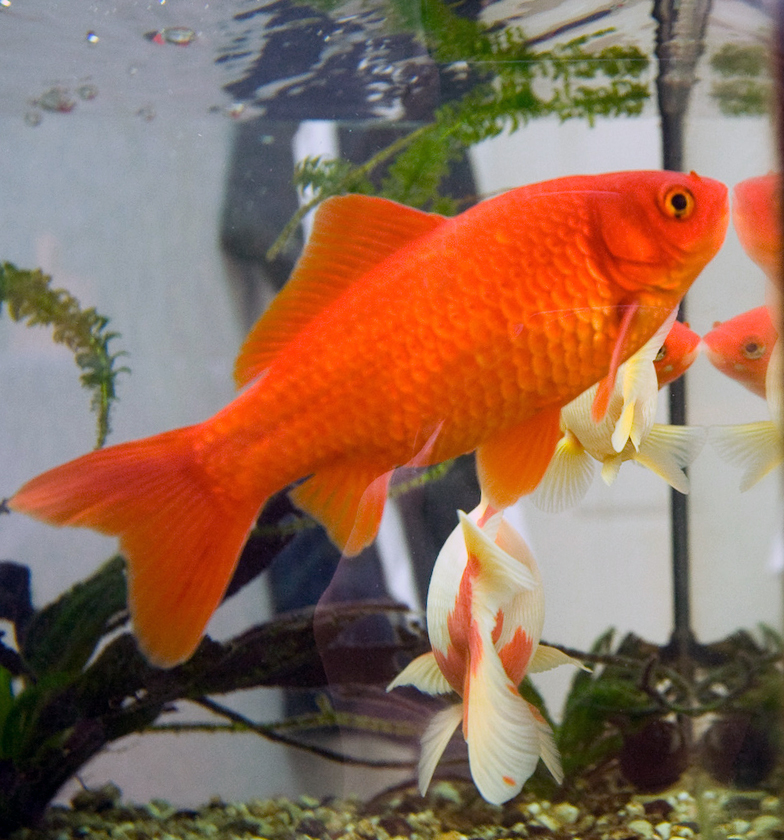
fish · all zones
Carassius auratus
A large, active cold-water fish with heavy waste production and a potential lifespan of decades.
Open care profilegroup · all zones
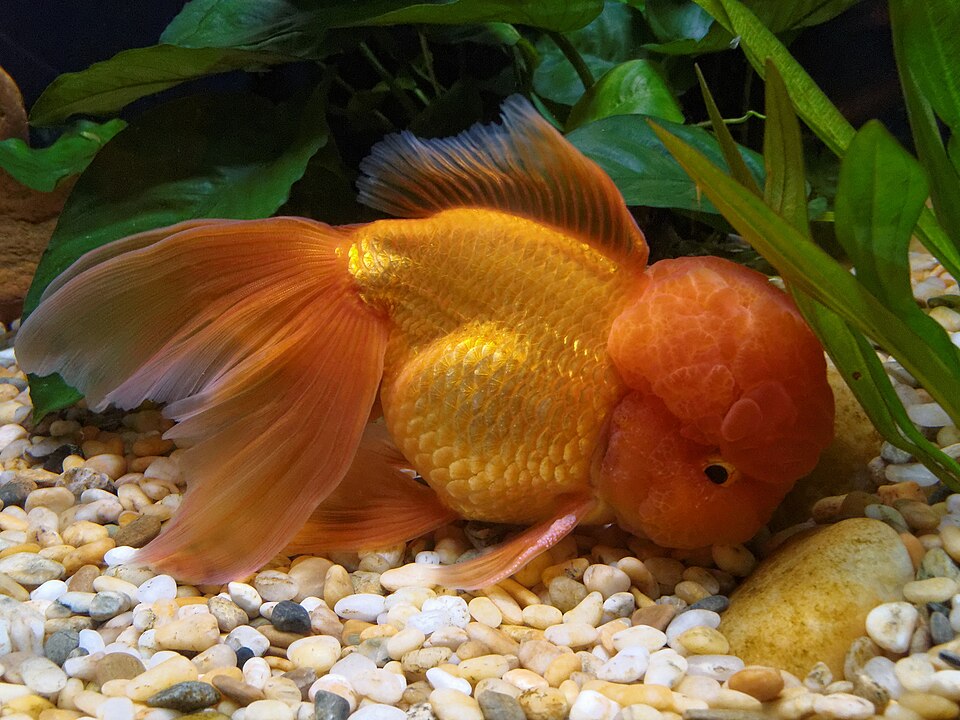
Carassius auratus
Rounded fancy varieties are slower and should not compete with streamlined common goldfish.
Open care profileamphibian · bottom / surface
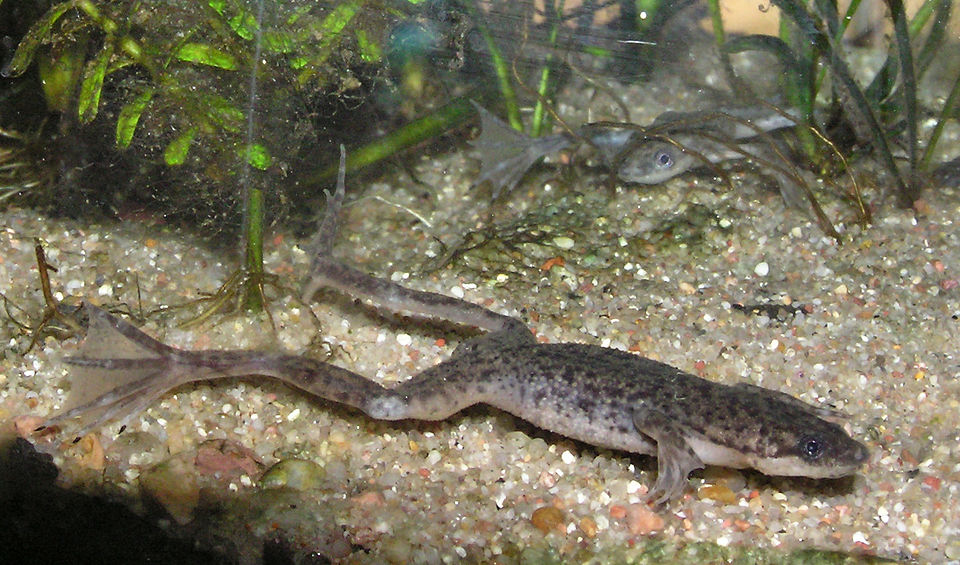
Hymenochirus boettgeri
A fully aquatic air-breather that feeds slowly; deep tanks and fast fish can prevent it reaching food.
Open care profileamphibian · bottom
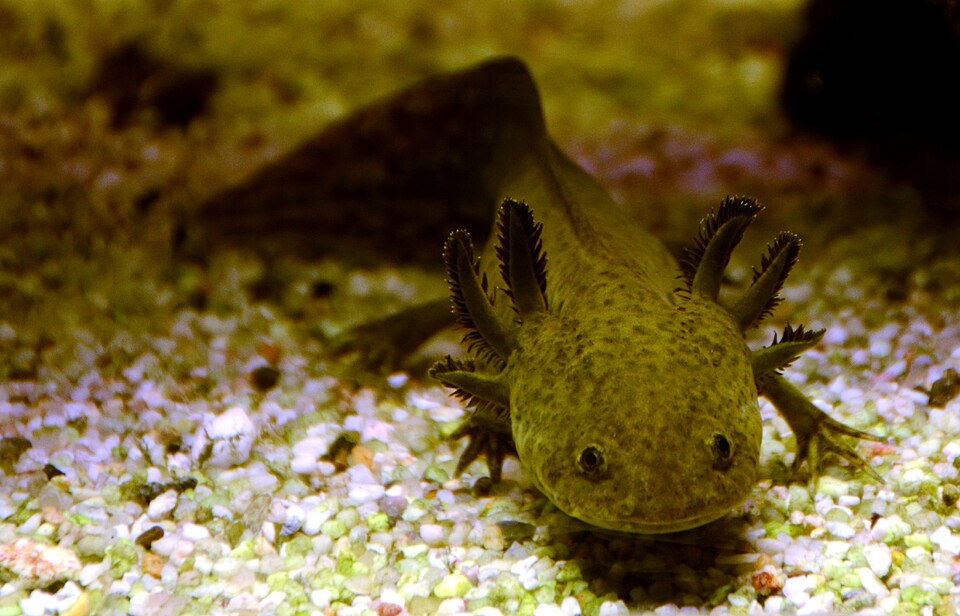
Ambystoma mexicanum
Cold water, low flow and species-only care prevent heat stress, gill damage and accidental ingestion.
Open care profileinvertebrate · all surfaces
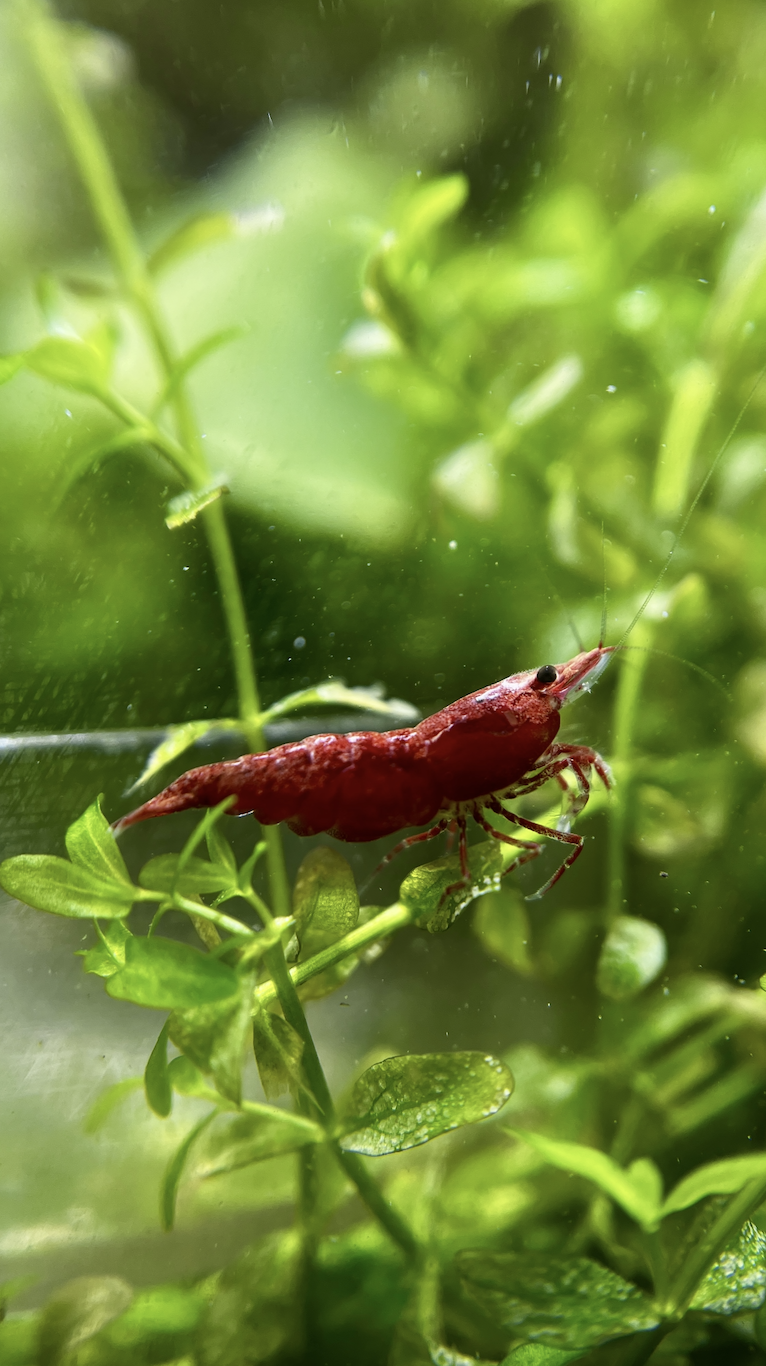
Neocaridina davidi
Mature biofilm and stable minerals support moulting; almost any fish may take shrimplets.
Open care profileinvertebrate · all surfaces
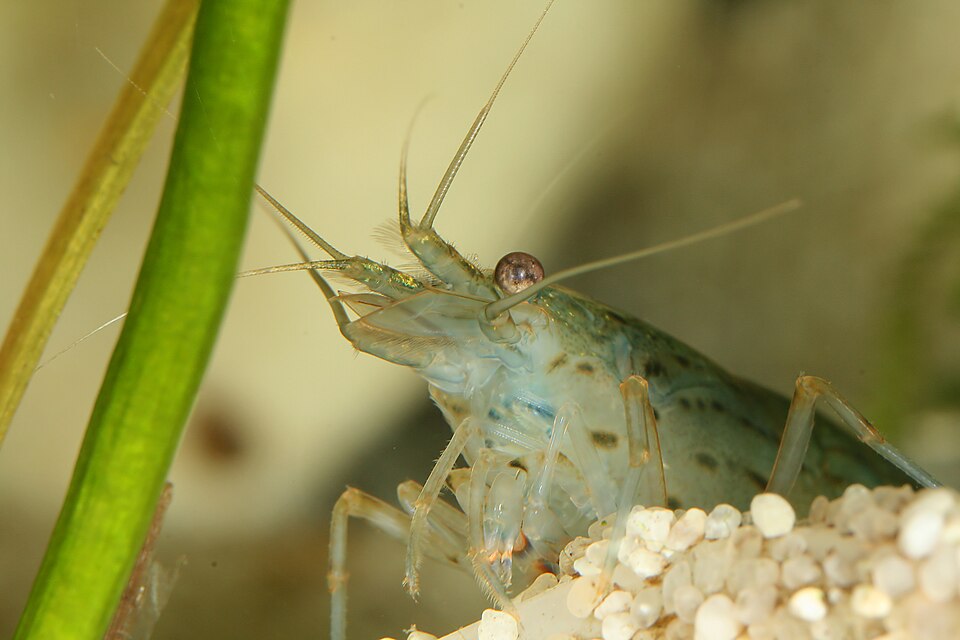
Caridina multidentata
An effective grazer but not an algae solution; larvae require brackish development.
Open care profileinvertebrate · bottom
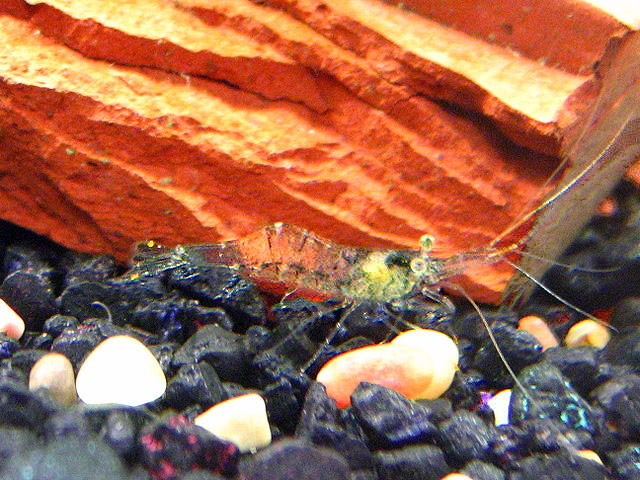
Palaemonetes paludosus
The trade name covers several transparent shrimp, so correct identification matters.
Open care profileinvertebrate · all surfaces
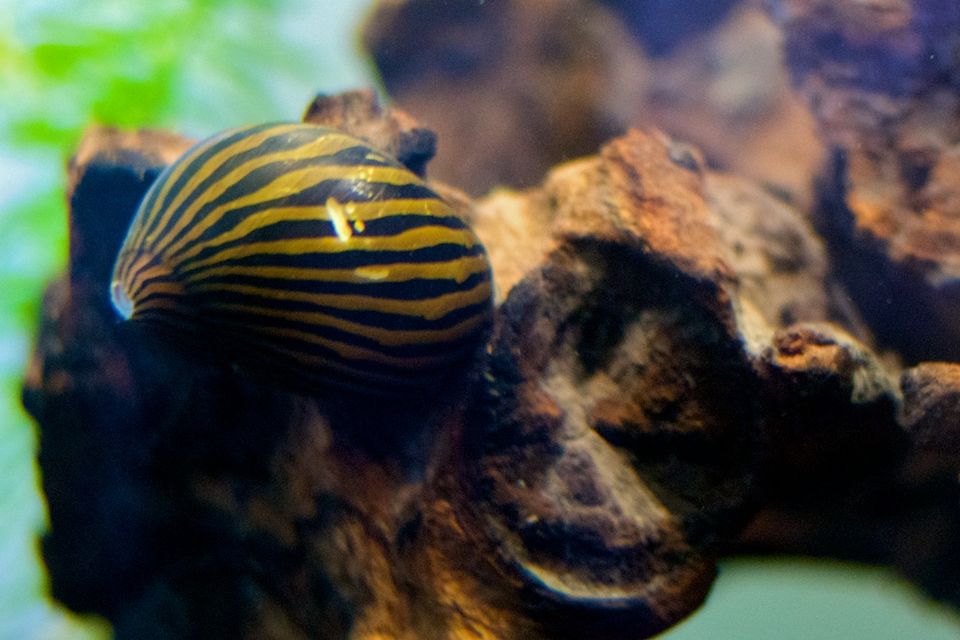
Vittina natalensis
Excellent hard-surface grazers that need minerals; white eggs may be laid but do not hatch in freshwater.
Open care profileinvertebrate · all surfaces
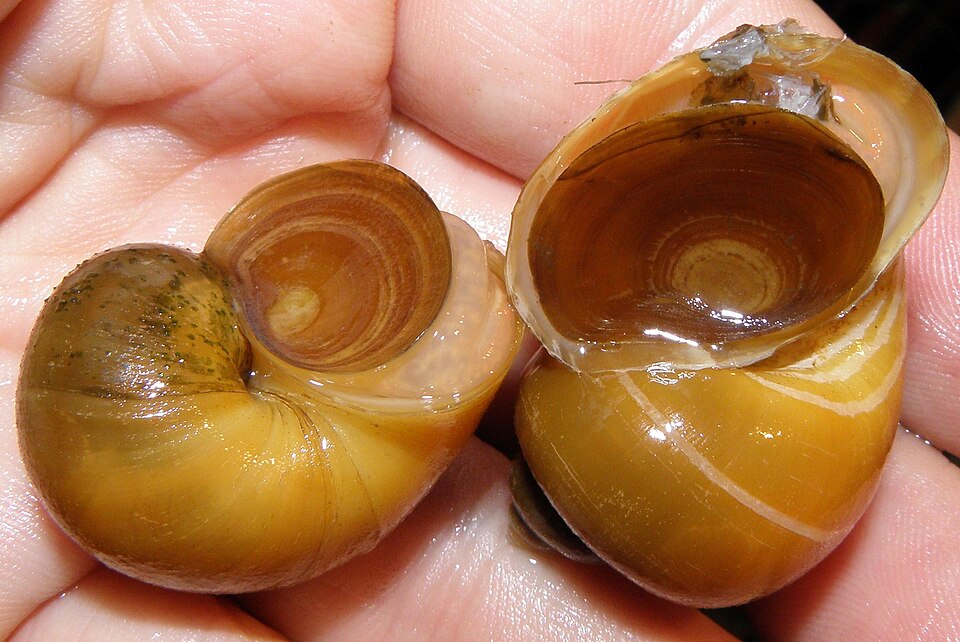
Pomacea diffusa
Leave a safe air gap for egg laying and avoid copper exposure or shell-eroding soft acidic water.
Open care profileinvertebrate · substrate
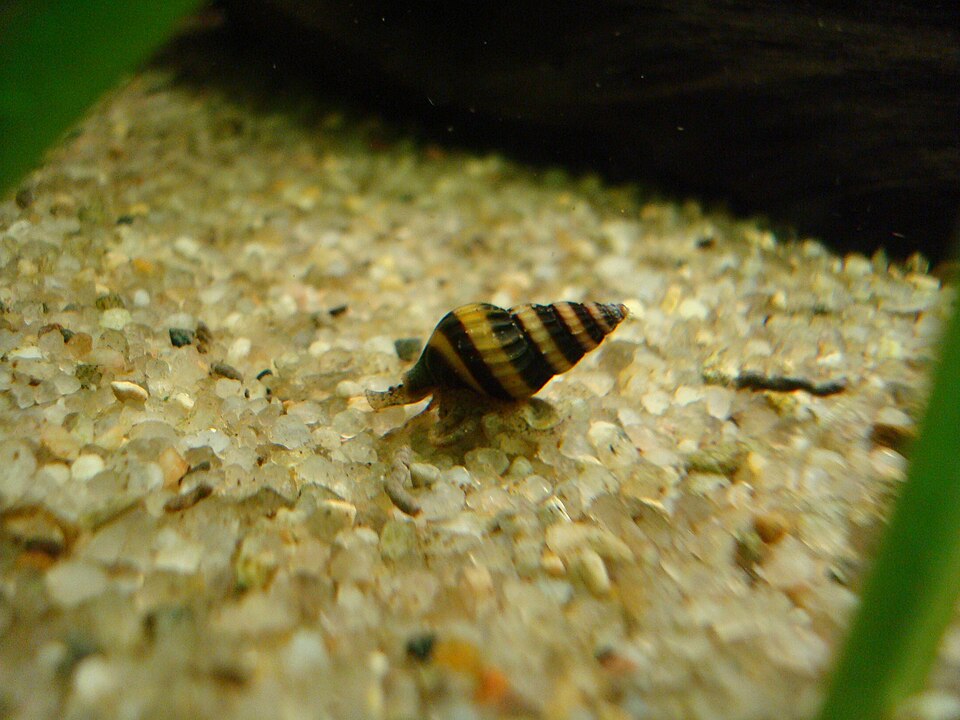
Anentome helena
A snail-eating species, so it is incompatible with ornamental snails the keeper wants to retain.
Open care profileinvertebrate · bottom
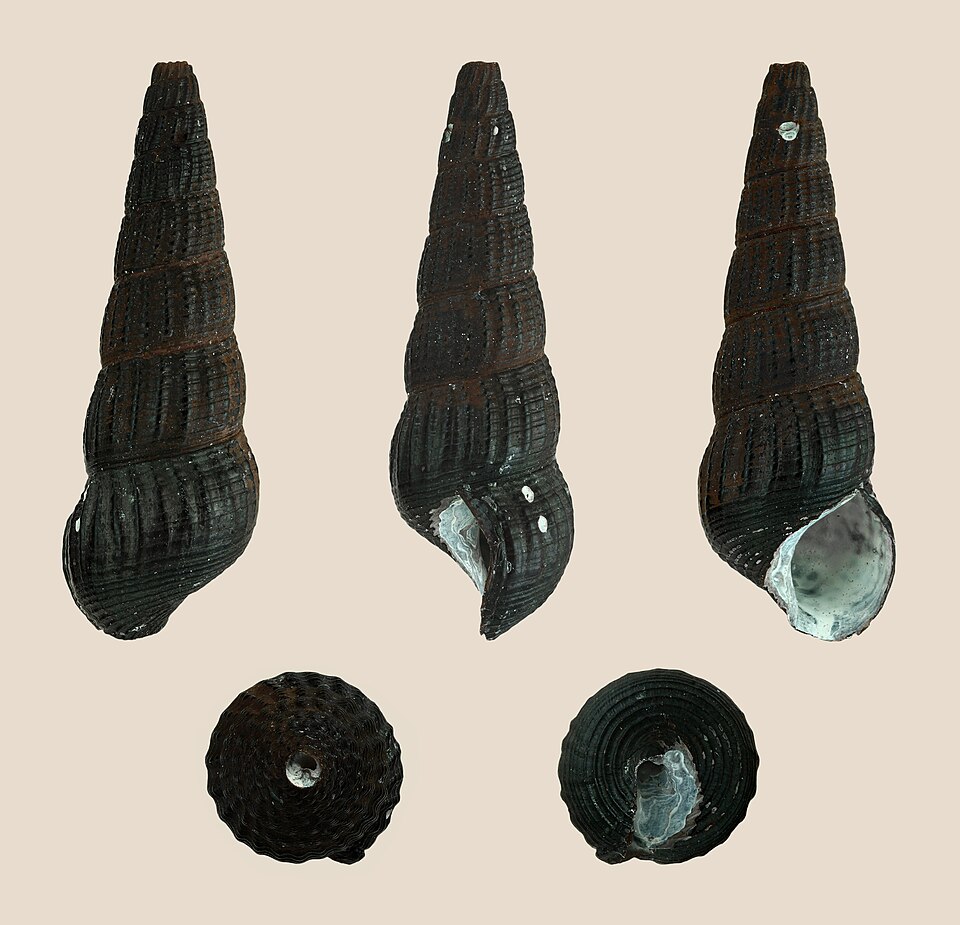
Tylomelania gemmifera
Warm, alkaline water and a mature food supply support its slow growth and reproduction.
Open care profileinvertebrate · bottom
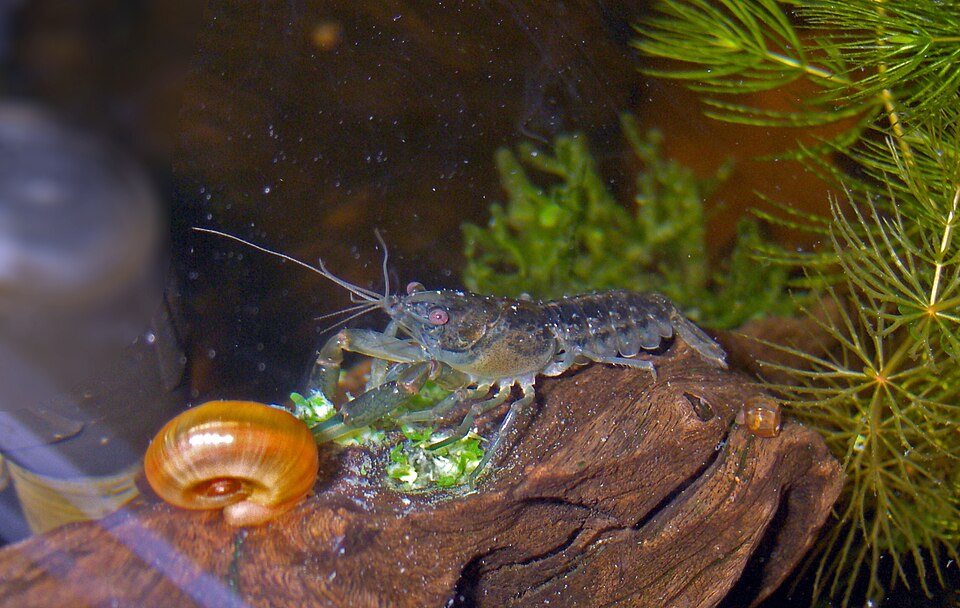
Cambarellus patzcuarensis
Even dwarf crayfish can catch resting fish or shrimp; numerous hides reduce but do not remove risk.
Open care profileinvertebrate · flow-facing perches
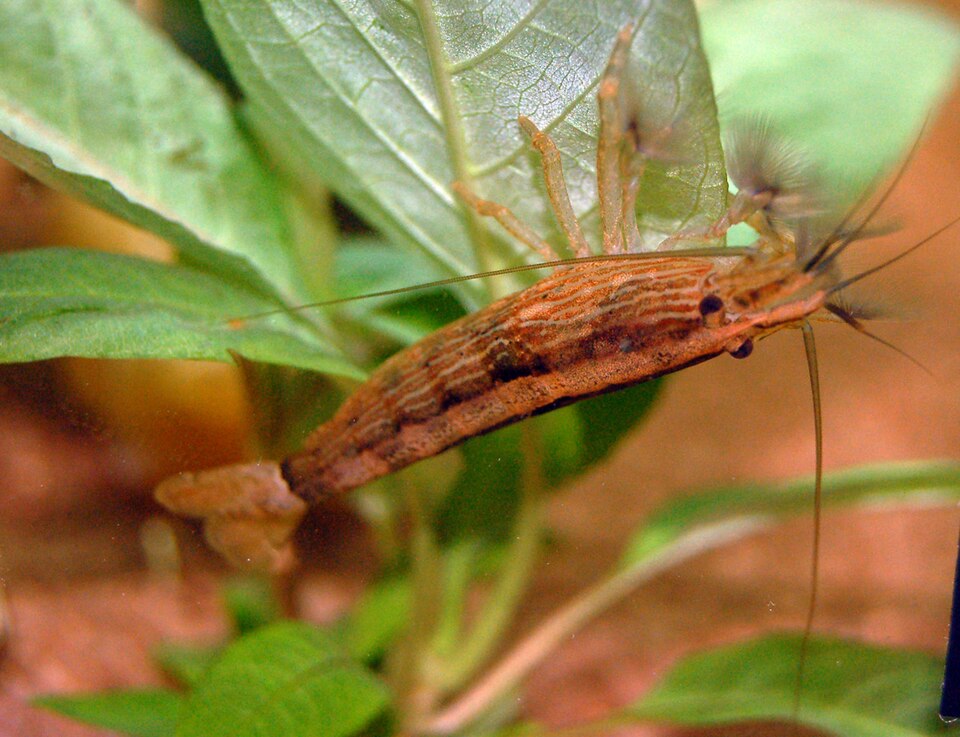
Atyopsis moluccensis
Needs suspended microfoods delivered by clean, directed current and elevated feeding perches.
Open care profile